

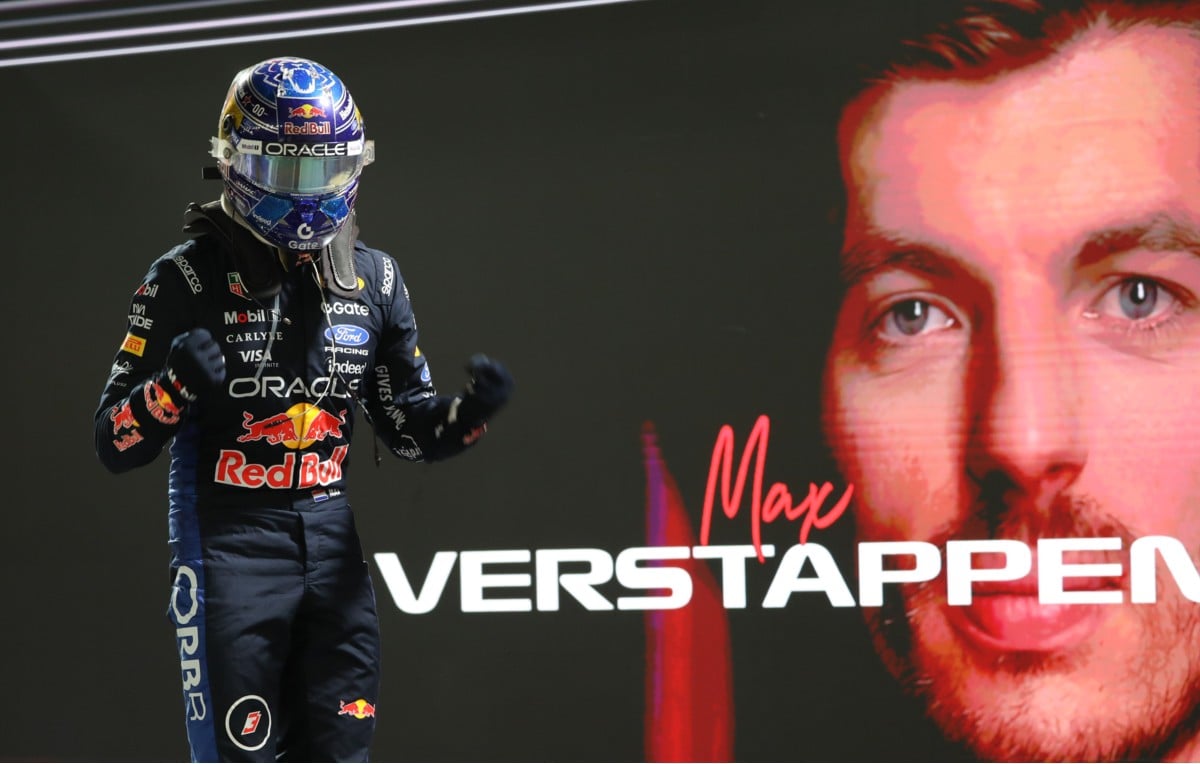
Formula 1's Las Vegas Grand Prix on November 21, 2026 delivered a spectacle of competitive racing that underscored the dramatic impact of the sport's new power-unit regulations. Max Verstappen secured his third victory in the event's four-year history, fending off relentless pressure from competitors in a race defined by 35 lead changes and 352 overtakes - statistics that reflect a fundamental shift in how modern F1 racing unfolds.
The new electrical power-unit boost rules allow drivers within one second of a rival to deploy additional electrical energy through Overtake Mode, fundamentally altering race dynamics. The Las Vegas Strip Circuit's 1.2-mile straightaway proved ideally suited to these mechanics, enabling pursuing drivers to combine the power boost with slipstream effects for repeated passing opportunities. This regulatory change has created what observers describe as catch-up mechanics reminiscent of video game logic, where trailing competitors gain temporary advantages.
Verstappen began from pole position but spent most of the race defending rather than extending a lead. George Russell mounted early challenges, repeatedly passing and being repassed by the Red Bull driver. Newly crowned 2026 champion Kimi Antonelli emerged as the most persistent threat during the race's middle stages, even briefly taking the lead before fading in the closing laps to finish fourth. Lando Norris, the 2025 title winner, also moved into contention, spending time at the front and briefly passing Verstappen before settling for second place. Oscar Piastri completed the podium in third, while Russell's collision with Antonelli on Lap 48 relegated the Mercedes driver to ninth.
Verstappen's characterization of the race as resembling Mario Kart catch-up mechanics captured the unusual nature of the competition. He noted that the constant reshuffling - where drivers drop back only to gain speed and regain position - created a cycle fundamentally different from traditional F1 racing. Despite the chaotic nature, Verstappen demonstrated superior racecraft and consistency, reclaiming the lead within a lap whenever challenged.
The victory extends Verstappen's late-season momentum, delivering his fourth win in six races as F1 approaches its season finale. With only Qatar and Abu Dhabi remaining, Verstappen continues building momentum toward a potentially strong championship positioning heading into 2027.
The Las Vegas Grand Prix's evolution from a street circuit novelty to a defining technological showcase reflects how F1's regulatory environment shapes competitive balance and spectator experience. The 2026 power-unit regulations represent an intentional philosophy shift toward accessibility and overtaking frequency - whether this produces more engaging racing or dilutes competition's strategic depth remains an open question for the sport's governance bodies and fan base.
Source
Casino.orgRelated stories
Seminole Hard Rock Tampa Debuts $30M Smoke-Free Casino Floor

Coinbase Plans In-House Prediction Market Exchange Launch in 2027

Polymarket CEO Downplays Trump Jr. Investment Amid Competitor Exit
California Tribe Opens Sportsbook Under Federal Authority, Challenging State Ban
More on CasinoAdvisor