

Based on reporting by Casino.org →
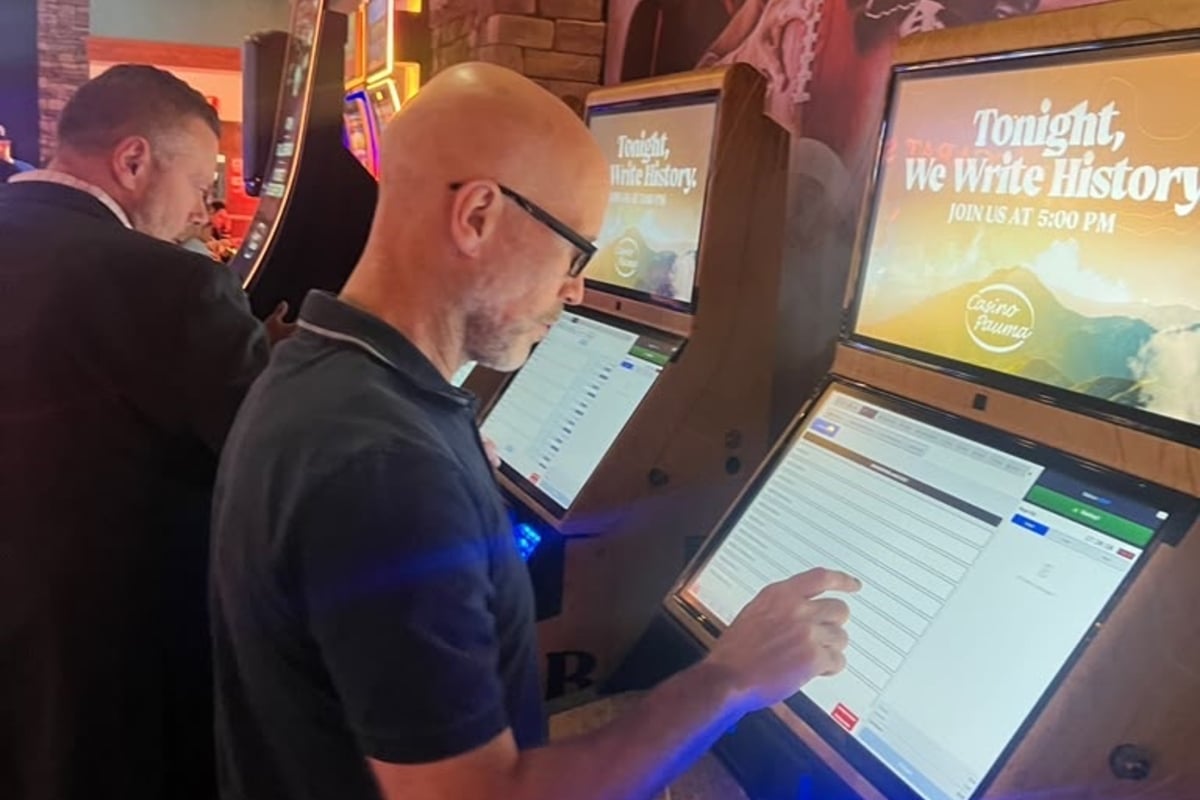
The Pauma Band of Luiseño Indians made history on November 12, 2026, when it opened an eight-kiosk retail sportsbook at Casino Pauma in San Diego County, becoming the first California tribe to openly operate sports betting in defiance of the state's blanket ban. The sportsbook, powered by ISI Sports terminals, launched with ceremonial fanfare as former San Diego Chargers linebacker Shawne Merriman placed the inaugural wager.
The tribe's legal rationale hinges on a critical distinction: unlike the more than 60 California tribes operating under state Class III gaming compacts, the Pauma Band operates its 35,000-square-foot casino under federal secretarial procedures established with the U.S. Department of the Interior. This distinction became possible only after years of acrimonious litigation between the tribe and California.
The Pauma Band originally signed a Class III compact with California in 1999. When the tribe sought to expand its slot machine capacity from 200 to 750 machines in 2004 to compete with larger tribal casinos, the state demanded higher revenue-sharing percentages. The tribe accepted these terms but subsequently challenged the state's interpretation of the original compact, ultimately winning a federal court ruling that ordered California to refund 36.2 million dollars in slot revenue overpayments. Following California's refusal to negotiate a new compact in 2013, the tribe withdrew from the state system entirely and established its current federal secretarial gaming authorization under the Indian Gaming Regulatory Act (IGRA).
The Pauma Band contends that IGRA authorization permits Class III gaming including slots and table games, and therefore encompasses sports betting. Congressional Research Service scholars have summarized that tribal sports betting conducted and regulated under IGRA and confined to Indian lands operates within established legal frameworks, though this interpretation remains contested.
California's regulatory environment presents a stark contrast. The U.S. Supreme Court's 2018 Murphy decision left sports betting legalization to individual states. California voters have rejected sports betting ballot measures twice, with disagreement among cardrooms, politicians, racetracks, and tribal gaming interests blocking legislative consensus. No statewide legal sports betting market exists in California, making the Pauma Band's unilateral action a direct challenge to state authority.
The tribe worked with SCCG Management, a Las Vegas-based gaming advisory firm, in developing the sportsbook concept. Tribal Council Chairman Temet Majel framed the launch as an exercise of tribal sovereignty and self-determination, emphasizing the enterprise's role in supporting the Pauma Band's future.
The sportsbook's legality will likely face immediate scrutiny from California regulators and potentially trigger broader questions about federal versus state authority over tribal gaming. The outcome could signal whether other non-compacted tribes in California possess similar latitude to expand gaming offerings beyond their current state-approved boundaries. This development represents a significant flashpoint in ongoing tensions between tribal gaming sovereignty and state regulatory control, with implications extending beyond California's borders as other tribes operating under federal procedures reassess their expansion opportunities.
Source
Casino.orgRelated stories
Polymarket CEO Downplays Trump Jr. Investment Amid Competitor Exit
Accel Entertainment stock poised for gains as Chicago VGT rollout begins

Robinhood and Crypto.com's OG.com forge major prediction markets infrastructure partnership
Station Casinos Expands Food Court Offerings as Las Vegas Dining Scene Shifts
More on CasinoAdvisor