

Based on reporting by Casino.org →
In what gaming attorney Daniel Wallach has identified as the first known case of a tribe suing a state-licensed sportsbook over online wagers placed from Indian lands, the Cayuga Nation brought suit against Caesars in June 2026 seeking return of revenues, lost profits, and damages. The Nation alleged that Caesars accepted wagers from people physically located within its reservation without tribal approval or a gaming compact.
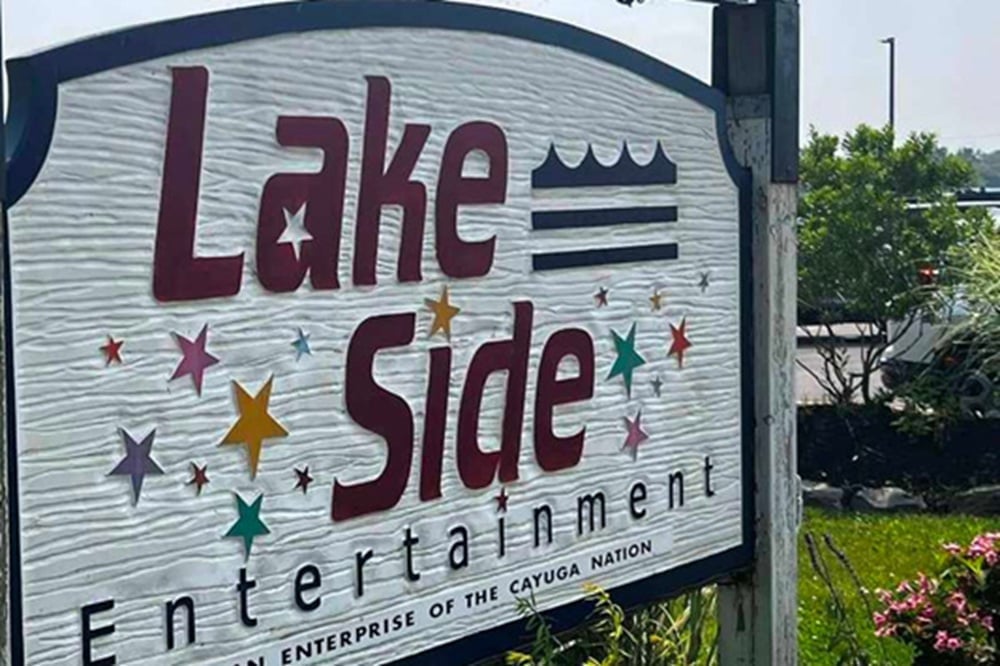
The legal foundation of Cayuga's claim rests on a critical distinction in federal gaming law. Under the Indian Gaming Regulatory Act (IGRA), sports betting is classified as Class III gaming, which generally cannot occur on tribal land without an agreement between the tribe and the state. The Cayuga Nation currently operates only Class II gaming venues under its LakeSide Entertainment brand in New York's Finger Lakes region. The Nation has never successfully negotiated a Class III gaming compact with New York State, leaving no legal framework for any sportsbook to accept sports bets from its reservation.
Caesars filed its motion to dismiss on August 17, advancing two primary arguments. First, the company contends that federal tribal gaming law does not grant tribes a private right to sue private sportsbooks over such disputes. Under IGRA, tribes can pursue certain legal claims related to breaches of casino gambling agreements on tribal land. Since Cayuga has no Class III gaming compact with New York, Caesars argues there is no agreement to have breached, eliminating the legal basis for the lawsuit.
Second, Caesars points to the regulatory framework established by New York gaming regulators. State officials determined that mobile wagers should be treated as occurring where the sportsbook's servers were physically located, not where bettors happened to be standing. Under this interpretation, the disputed wagers took place off tribal land, meaning Caesars was complying with state regulatory guidance when it accepted them. The operator argues that if New York's framework conflicts with IGRA protections, the Nation's dispute properly belongs with state regulators, not a private company.
The compliance timeline adds complexity to the dispute. Caesars continued accepting wagers from the Cayuga reservation until receiving a cease-and-desist demand in 2025. The company subsequently implemented digital geofencing to block further wagers from tribal lands. However, Caesars has refused to provide records detailing the volume of wagers accepted from the reservation or the revenues generated during the period in question.
Cayuga's response to the motion is due September 22, with Caesars permitted to reply by September 29. The Nation is simultaneously pursuing a separate case against New York gaming officials over lottery sales and the Jackpocket app operating on reservation land, suggesting broader regulatory concerns about digital gaming products reaching tribal territories.
This case reflects an emerging tension in the digital sports betting landscape. As online operators expand nationwide under varying state-by-state regulatory schemes, tribal nations are asserting their sovereign rights to control gaming activity within reservation boundaries. The geographic ambiguity of online wagering - where does a bet actually occur - now sits at the intersection of tribal sovereignty, state regulation, and commercial gaming interests.
Source
Casino.orgRelated stories

Flutter Eyes Up to 100 Paddy Power Closures as UK Retail Betting Sector Contracts
Brazil Senate Committee Approves Sweeping Betting Ad and Sponsorship Restrictions

Canada's Regulators Draw Hard Line Against Prediction Markets on Sports

Alberta Minister Defends Competitive iGaming Model Against BCLC Chair Criticism
More on CasinoAdvisor