

Based on reporting by Casino.org →
A public dispute has emerged between Canadian provincial gaming leaders over the merits of competitive versus monopoly iGaming models, with implications for how other provinces may structure their online gambling markets.
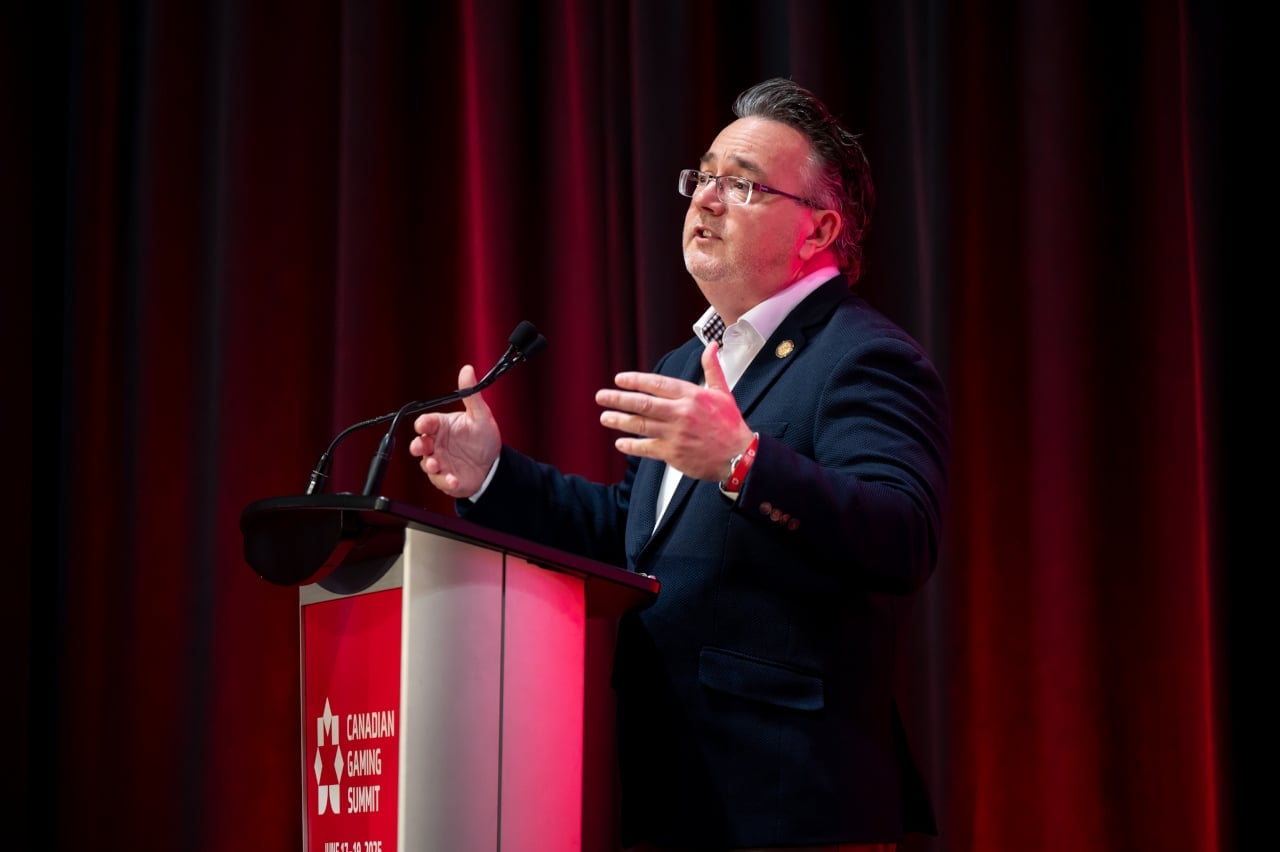
The confrontation centers on Alberta's July 2026 launch of a competitive iGaming market that allows licensed private operators to compete alongside the government-owned PlayNow platform. British Columbia Lottery Corporation chair Greg Moore has published a series of social media critiques warning that the private model facilitates the dominance of foreign-owned operators, particularly American corporations, resulting in substantial gambling profits leaving Canada.
Moore's analysis found that of 32 private operator groups registered in Alberta's market, only 16 percent were clearly Canadian-owned and controlled, while more than 80 percent were foreign-owned or jointly foreign-owned. At least seven were controlled by U.S. parent companies, including major operators such as DraftKings, Caesars Entertainment, and PENN Entertainment. Moore argued these multinational corporations, with their sophisticated technology platforms and substantial marketing budgets, could ultimately facilitate the transfer of Canadian gambling revenue and economic value outside the country. He contrasted this with British Columbia's public Crown corporation model, where iGaming profits flow back into the province for healthcare, education, and community programs.
Alberta's Minister of Service Alberta and Red Tape Reduction Dale Nally responded sharply, calling Moore's position "disingenuous" and emphasizing that his government's approach prioritizes player safety and social responsibility. Nally pointed out that approximately 70 percent of online gambling activity in Alberta occurred through unregulated operators before the regulated market launched, offering minimal player protections. By bringing existing gambling activity into a regulated framework, Alberta created enforceable responsible gaming standards and publicly funded addiction treatment services.
Former Loto-Quebec chair Helene Fortin has publicly sided with Alberta's approach, arguing that provincial governments establish policy while lottery corporations execute mandates. She noted that Alberta's framework does not expand online gambling but rather regulates activity that already existed. Fortin also questioned Moore's concern about foreign ownership, pointing out that gaming has always been a global industry and that British Columbia itself partners with international companies such as Bally's, BetMGM, Scientific Games, and Kambi.
Fortin referenced a 2024 Deloitte study showing that Ontario's regulated iGaming market, which launched in April 2022 with a similar competitive model, supported nearly 15,000 full-time jobs and contributed approximately 2.7 billion dollars to Ontario's GDP in its second year, generating over 1.24 billion dollars in total government revenues. Ontario currently operates 83 licensed gaming websites with 48 private operators competing against the public PROLINE+ platform.
Industry observers have noted that Moore's public criticism of another province's gaming framework is unprecedented among Canadian lottery corporation leadership. The dispute highlights a fundamental regulatory tension: whether online gambling should be controlled by government monopolies seeking maximum revenue for public services, or through regulated competitive markets designed to displace unregulated operators and strengthen consumer protections.
Source
Casino.orgRelated stories

Canada Closes Door on Sports Prediction Markets, Diverging From U.S. Federal Model

Brazil Legislator Proposes 180-Day Timeline to Dismantle Legal Sports Betting Market

Prediction Market ETFs Hit Regulatory Roadblock as SEC Defers Approval Decision

Connecticut Sues Kalshi Over Sports Prediction Contracts in Escalating Regulatory Battle
More on CasinoAdvisor