

Based on reporting by Casino.org →
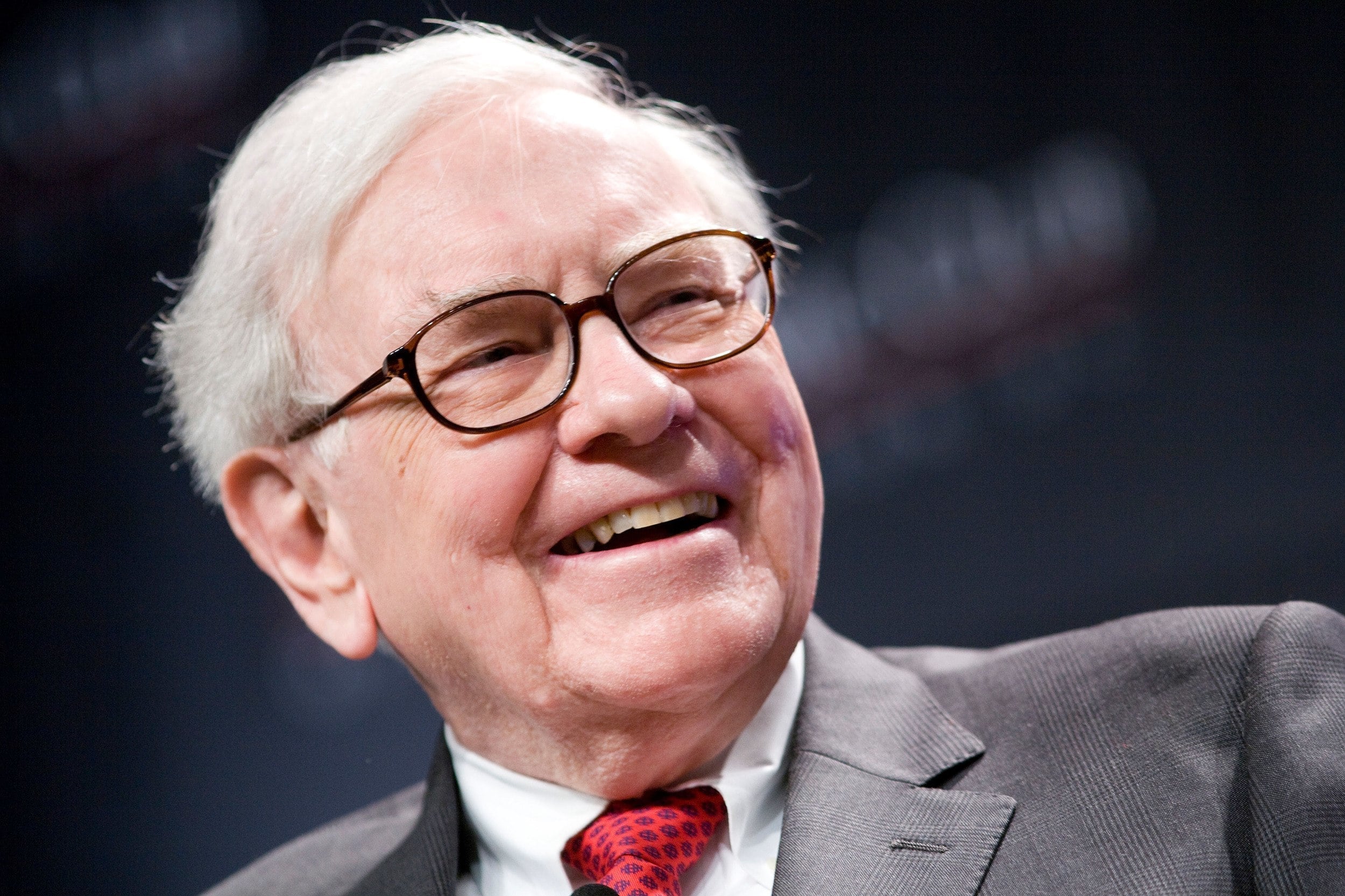
Warren Buffett, one of history's most influential investors, has retired as chairman of Berkshire Hathaway after 65 years at the helm, passing leadership to his son Howard as chairman and Greg Abel as CEO. The transition marks the end of an era defined not only by investment prowess but also by Buffett's sustained and increasingly vocal criticism of what he termed America's 'gamblification' - the cultural and financial mainstreaming of gambling-like behavior in markets and investing.
Buffett's concerns have grown more pointed as the gambling landscape has shifted. Since the 2018 Supreme Court ruling that enabled states to legalize sports betting, gambling has become deeply embedded in American culture. The rise of prediction markets, mobile trading applications, and short-term options trading has created new vectors for speculative behavior that Buffett explicitly characterized as gambling rather than investing. In a May 2026 CNBC interview, he stated bluntly: 'If you're buying or selling one-day options, that is not investing. It is not speculating. It is gambling.' He questioned whether anyone could rationally explain why they purchase one-day options, suggesting such activity reflects impulse rather than informed strategy.
Buffett's grievances extended to the structural enablement of this behavior. In his 2022 shareholder letter, he criticized mobile trading applications for transforming the stock market into a 'gambling parlor,' lowering friction costs and encouraging retail participation in day trading and short-term positioning. By 2024, he articulated his concern more broadly: 'Markets now exhibit far more casino-like behavior than they did when I was young. The casino now resides in many homes and daily tempts the occupants.'
The investment legend connected this shift to market dynamics that complicated fundamental analysis. As volatility increased, identifying genuinely attractive long-term investments became harder. Buffett argued that Wall Street incentivizes activity for its own sake, not investor returns. As he noted, 'what truly causes its denizens' juices to flow is feverish activity. At such times, whatever foolishness can be marketed will be vigorously marketed.'
Interestingly, Buffett's opposition to gambling was not absolute. Before sports betting expanded nationally, Berkshire Hathaway's chairman offered employees $1 million for perfect NCAA March Madness brackets - a gesture that undermines any claim to total consistency, though the mathematical impossibility of the challenge suggests it was more carnival than real wager.
Buffett's retirement comes as Americans gamble more than ever across both traditional and emerging channels. Recent industry data shows sportsbooks are now capturing approximately 80 percent of NFL bets, more than triple the volume handled by prediction markets. Simultaneously, surveys indicate sports betting has become a high-risk financial lifeline for Americans struggling with bills, contradicting the investment-grade narratives that legitimize speculative platforms.
Buffett's departure removes one of the few prominent institutional voices consistently cautioning against speculation disguised as investing. His successor's approach to these cultural trends remains to be seen, but the underlying tension between market innovation and prudent capital allocation shows no signs of resolution.
Source
Casino.orgRelated stories
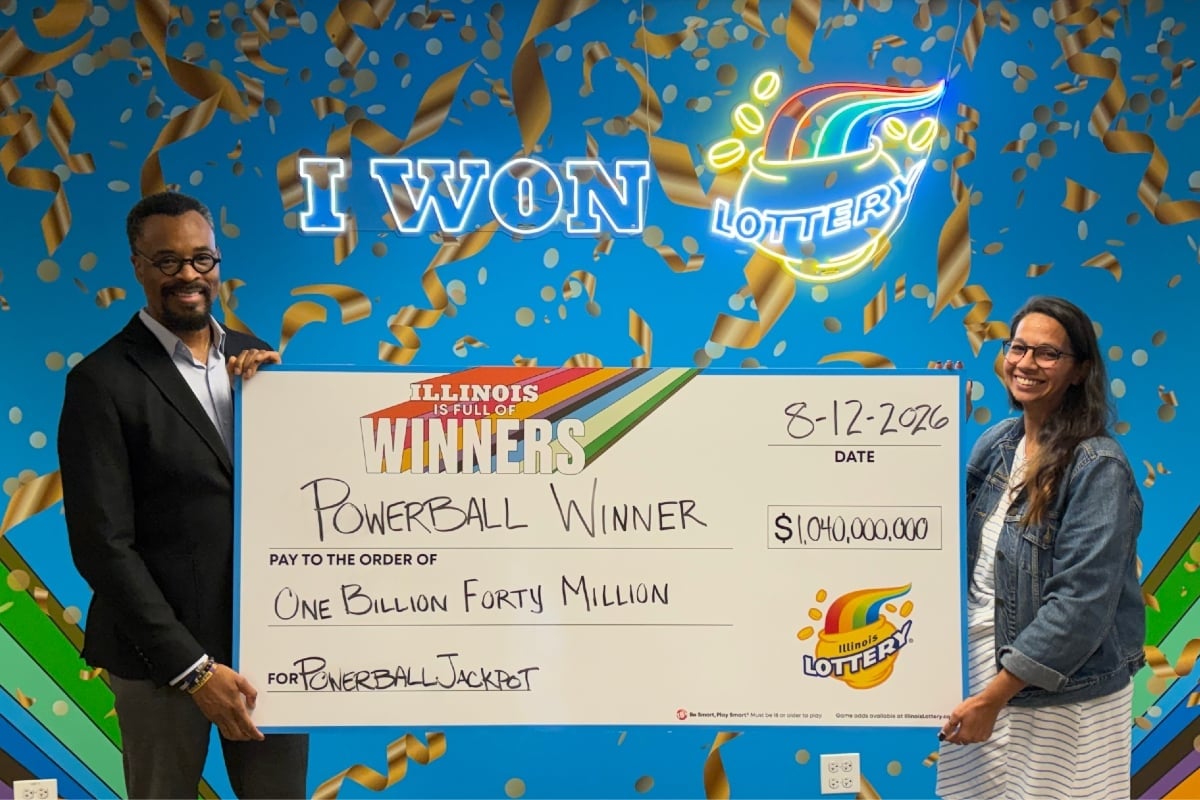
Illinois Powerball Winner Claims $1.04B Jackpot, Opts for $261.5M Cash Payout
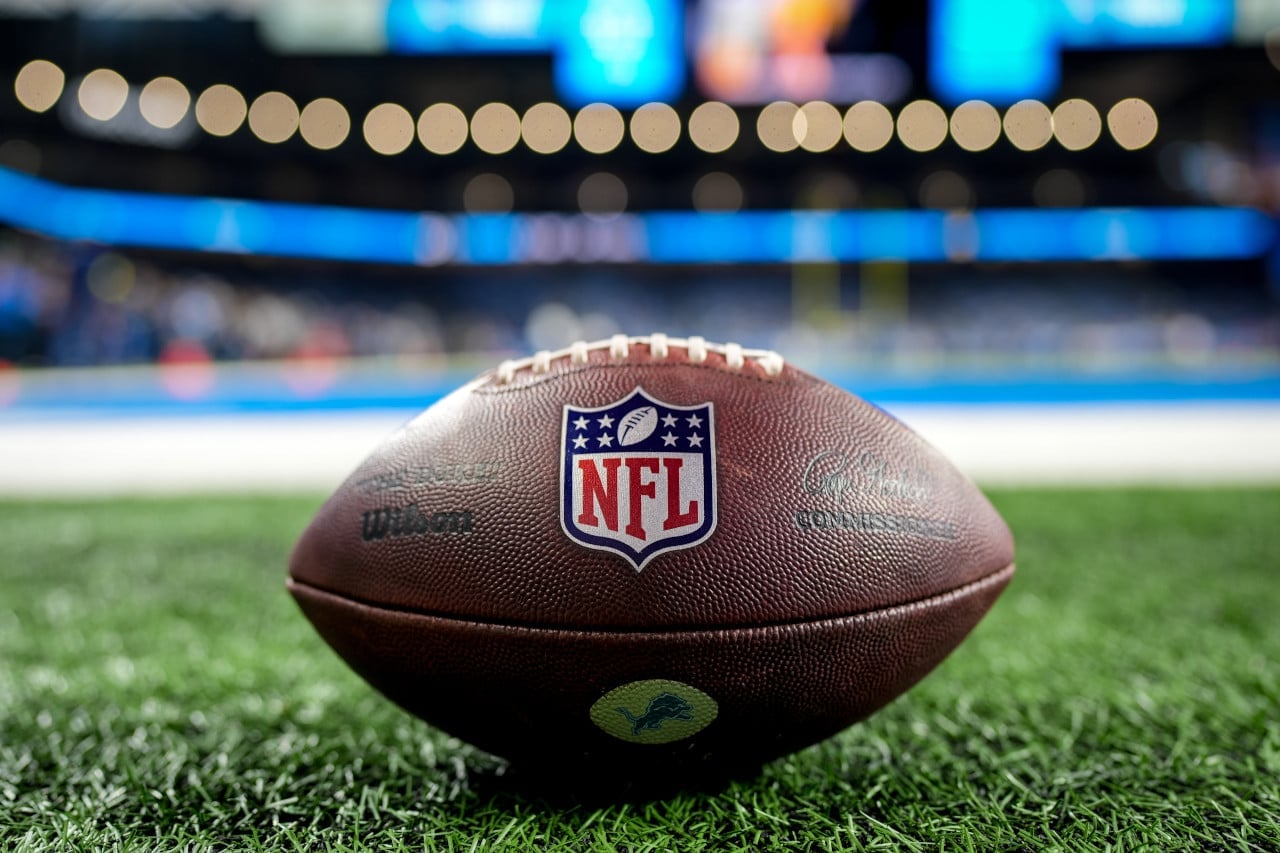
Traditional Sportsbooks Retain 80% of NFL Wagers as Prediction Markets Remain Niche
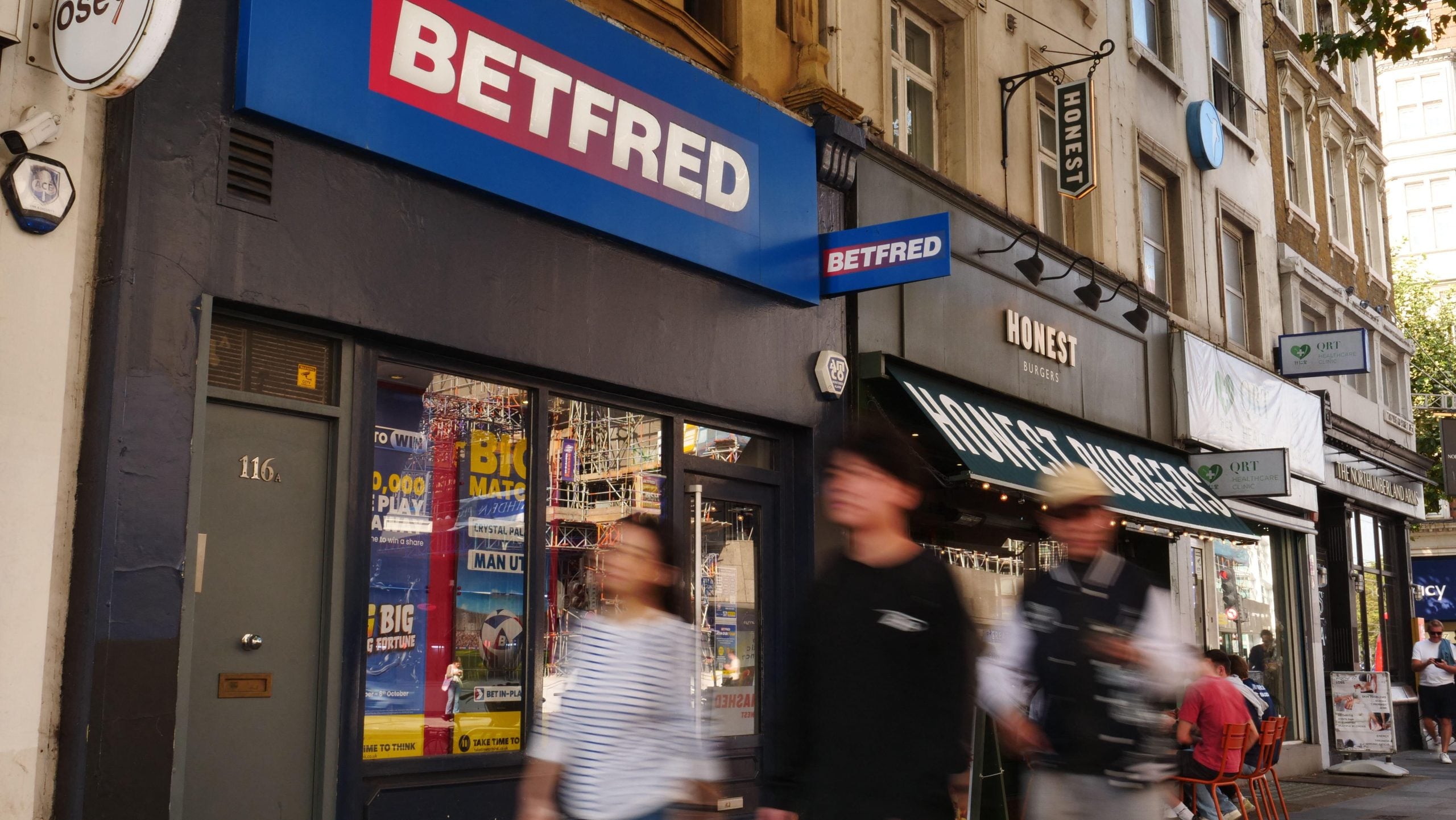
UK gambling yield reaches 17.5bn as online dominance accelerates amid retail decline

Prediction Market Taker Volume Forecast Surges to $190B as Sports Betting Convergence Accelerates
More on CasinoAdvisor