

Based on reporting by Casino.org →
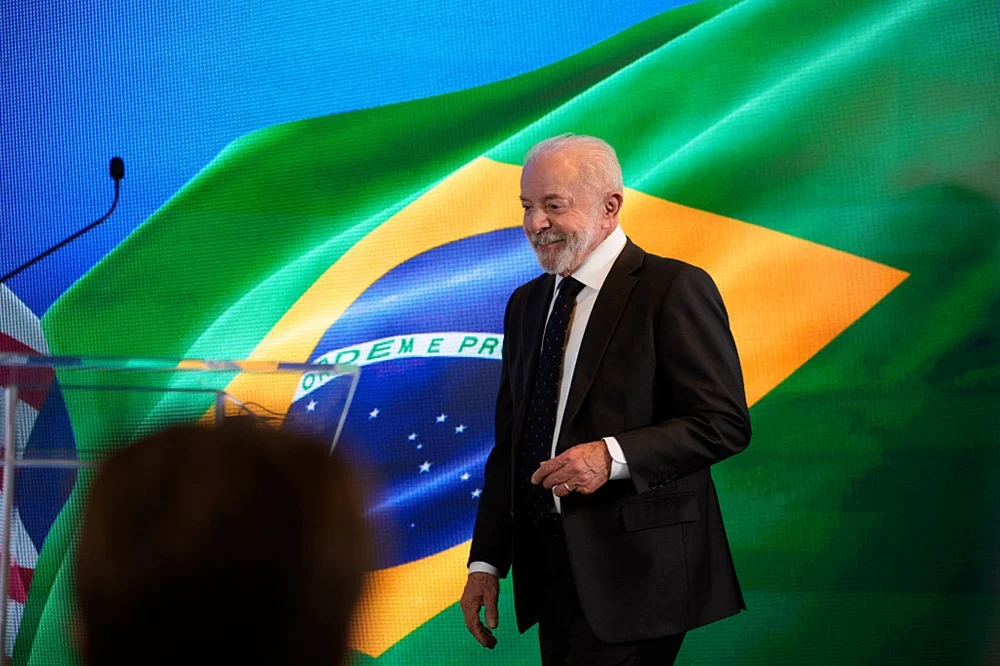
Brazil's comprehensive gambling ban, enforced through Provisional Measure No. 1,394 signed by President Luiz Inácio Lula da Silva in September 2026, is now facing mounting economic scrutiny as licensed operators went offline on October 6. A study commissioned by the Institute of Responsible Gaming (IBJR) and conducted by LCA Consultores quantifies the financial impact of shuttering the regulated sports betting and online casino markets, presenting a stark fiscal argument against the prohibition as it awaits congressional approval.
The research paints a sobering picture of the ban's economic consequences. Over the next four years, Brazil stands to lose between R$58 billion and R$73 billion ($11.6 billion to $14.7 billion) in tax revenue, assuming that 80 to 100 percent of current regulated players migrate to unregulated offshore operators. This scenario reflects a realistic expectation given the global pattern of player behavior when legal markets close. The study also identifies direct employment losses of approximately 10,000 jobs, with another 5,500 positions indirectly dependent on the sector. Those direct positions represent roughly R$460 million ($92 million) in annual salaries.
Beyond tax revenue and employment, the government faces additional financial exposure through operator compensation claims. The 85 licensed operators collectively paid R$30 million ($6 million) for five-year federal licenses before the ban was introduced. If all licensees pursue legal remedies for the confiscatory measure, potential liability could reach R$2.55 billion ($512 million). This represents a significant contingent liability that may not appear immediately in government budgets but could materialize through court settlements or legislative compromise.
Brazilian soccer, which developed a particularly close relationship with gambling operators in recent years, faces substantial disruption. Gambling companies invested more than R$1.1 billion ($221 million) in sponsorships of Série A football clubs during 2025 alone. While the government has made minimal concessions allowing existing soccer shirts with betting brand logos to remain in circulation, the prohibition prevents new sponsorship agreements and stadium branding. Congress has received dozens of proposed amendments seeking to extend these sponsorships, with one proposal permitting existing agreements to continue until season end or for up to 24 months.
The timing of the ban's enforcement coincides with significant political uncertainty in Brazil. President Lula's recent defeat to Flávio Bolsonaro in the October 4 first round of Brazil's presidential election raises questions about the measure's long-term viability. Prediction market traders currently assign an 84 percent probability that Bolsonaro will prevail in the October 25 runoff, potentially opening the door to legislative reconsideration of the ban through congressional amendments.
This Brazilian case exemplifies a recurring policy dilemma facing governments worldwide: the tension between harm-reduction objectives and fiscal realities. While gambling regulation frameworks typically aim to protect consumers and manage problem gambling, prohibition-based approaches often redirect player activity to unregulated markets where consumer protections and tax collection both disappear. The LCA study suggests that Brazil's approach may achieve neither harm reduction nor government revenue objectives if players simply shift to offshore platforms beyond state oversight.
Source
Casino.orgRelated stories
Jackson Pushes Forward on Casino Despite State Legislative Roadblocks

Ontario Online Sports Betting Linked to 99% Surge in Gambling Disorder ER Visits
Brazil's Licensed Betting Operators Stage Stadium Protest Against Lula's Online Ban

Polymarket Expands Consumer Safeguards Through Birches Health Partnership
More on CasinoAdvisor