

Based on reporting by iGaming Business →
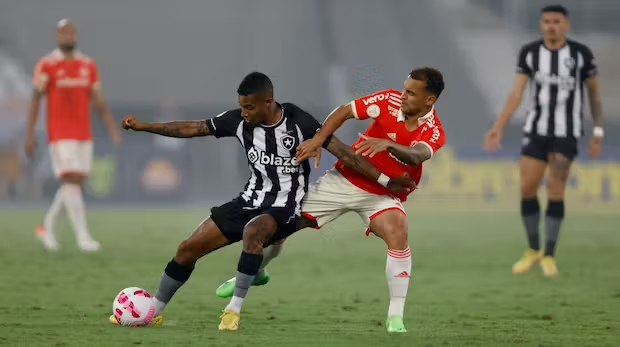
Brazil's regulated betting industry mounted a coordinated public protest on October 5, 2026, using football stadium advertising boards to challenge the government's recent ban on online betting. The National Association of Games and Lotteries (ANJL) and Brazilian Institute of Responsible Gaming (IBJR), alongside licensed operators, displayed messages reading "To prohibit is not to protect" and "The ban doesn't end gambling" during top-flight matches between Sao Paulo and Santos, and Atletico-MG and Bragantino.
The protest responds to Provisional Measure 1,394, enacted September 25, which eliminated online betting operations in Brazil. The measure immediately disrupted sponsorship agreements and long-term investment planning for football clubs and operators. ANJL president Plinio Lemos Jorge and IBJR president Carlos Lima both emphasized that sudden regulatory changes undermine the legal certainty required for sustainable industry participation and investment across the sports ecosystem.
The industry's core argument centers on market displacement rather than elimination. According to Ministry of Finance data cited in the protest manifesto, 31 million people actively used licensed platforms before the ban, the majority engaging in recreational and responsible wagering. Rather than curtailing betting activity, the ban appears to have accelerated migration to illegal alternatives. Legitbet, ANJL's official monitoring platform, detected 6,401 new illegal websites between September 22-28 alone, with 811 links identified across monitored channels.
This trend represents a significant reversal of regulatory intent. Before the ban, unlicensed operators already captured an estimated 41 percent of total wagering volume in Brazil. Industry projections now suggest illegal markets could account for 100 percent of demand if the prohibition holds. Consulting firm LCA estimates the regulatory shift could expose up to BRL73 billion (approximately $14 billion USD) in revenue to unregulated channels between 2027 and 2030, effectively transferring legitimate economic activity to criminal networks.
The manifesto addresses harm-reduction arguments typically supporting betting bans. ANJL and IBJR acknowledge concerns around problem gambling and household debt but argue that regulated markets provide necessary consumer protections unavailable in illegal environments. The organizations proposed specific safeguards including deposit limits, time restrictions, stricter advertising controls, mental health support, and coordinated anti-fraud measures targeting unlicensed operators. These interventions, the industry contends, are impossible to enforce against clandestine platforms.
The protest strategy reflects broader dynamics in Latin American gambling regulation, where sudden prohibition often precedes rapid illegal market expansion. Brazil's experience provides a cautionary case study for policymakers elsewhere in the region weighing betting legalization decisions. The visibility of stadium-based protest messaging represents an escalation from typical industry advocacy, suggesting operators view the ban's permanence as uncertain and worth challenging through public opinion channels.
Lula's administration has not yet responded publicly to the industry demonstration. The provisional measure technically remains subject to legislative conversion into permanent law, potentially creating a window for policy recalibration. However, the public nature of the government's betting announcement and associated messaging around consumer protection suggest ideological commitment to the ban rather than technical implementation concerns.
Source
iGaming BusinessRelated stories

Ontario Online Sports Betting Linked to 99% Surge in Gambling Disorder ER Visits

Polymarket Expands Consumer Safeguards Through Birches Health Partnership
UK Gambling Commission Signals Heightened Scrutiny for National Lottery Operator Allwyn
Yokohama Expected to Skip Japan's 2027 Casino Licensing Round
More on CasinoAdvisor