

Based on reporting by Casino.org →
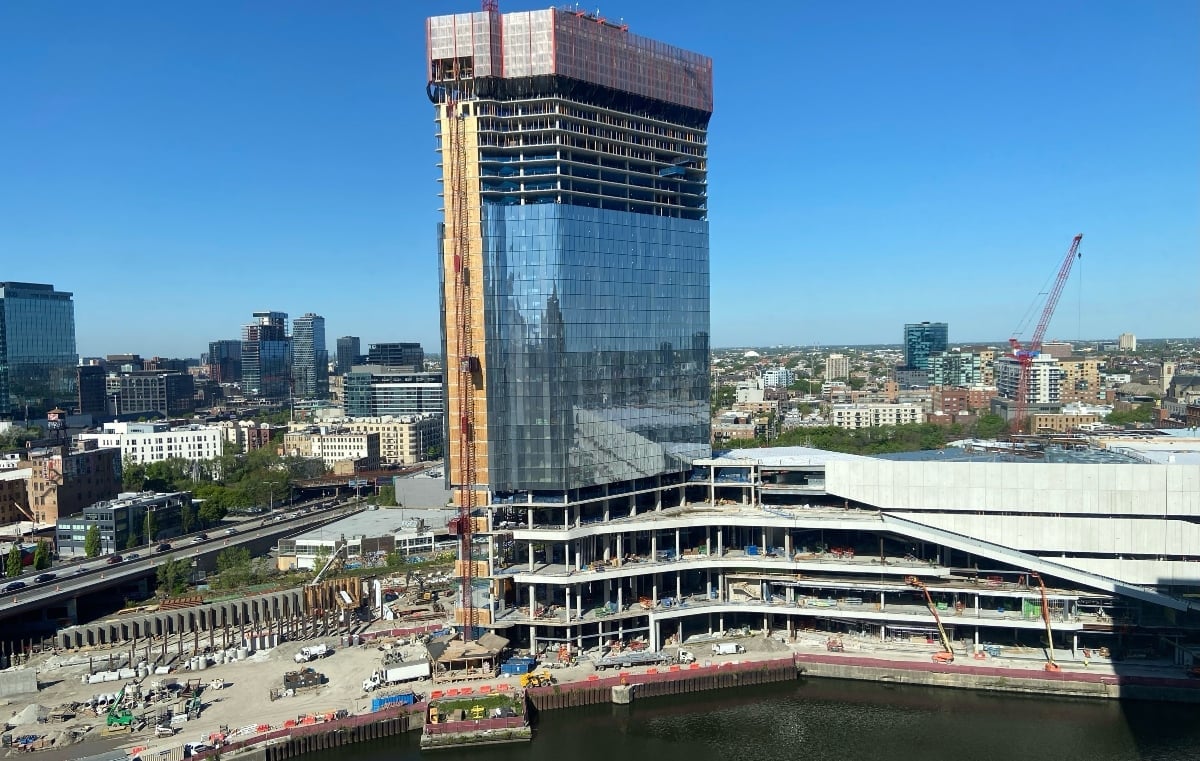
Bally's Chicago made its required $4 million annual payment to the city on September 9, 2026, honoring its Host Community Agreement obligations even as the developer escalates its dispute with Chicago over the city's authorization of video gaming terminals (VGTs). The payment arrived amid significant tension between the casino operator and municipal leadership, representing a strategic decision to maintain contractual compliance while signaling discontent with the city's policy direction.
Under the Host Community Agreement executed in June 2022, Bally's is obligated to pay $2 million annually as a direct community impact fee and $2 million as an indirect impact fee, with payments due each September 9 (the anniversary of the temporary casino's opening at Medinah Temple in 2023). Bally's previously paid the city a one-time $40 million upon executing the agreement. The September payment marks continuity of these obligations, though the developer had threatened to withhold the contribution over what it characterizes as the city's breach of the agreement.
The core dispute centers on Chicago's authorization of VGTs through its 2026 budget, which the city projects will generate approximately $7 million annually in tax revenue. Bally's contends that the VGT approval violates the Host Community Agreement's exclusivity provisions, which the developer argues bar the city from authorizing any new form of gambling. The company halted non-gaming construction on August 9, suspending work on the 500-room hotel, 3,000-seat theater, 30,000 square feet of convention space, 10 restaurants and bars, and public greenspace connections to the Chicago Riverwalk.
The contractual language grants the city authority to authorize new gambling forms under the Illinois Gambling Act, but the HCA stipulates that any such authorization triggers good-faith renegotiation of Bally's annual financial obligations. Bally's legal position rests on distinguishing between the Illinois Gambling Act (which legalized casino-style gambling) and the Video Gaming Act (which authorized VGTs in 2009). The developer argues it would not have submitted its original bid had it anticipated city-wide VGT operations.
Political dynamics add complexity to the dispute. Mayor Brandon Johnson opposed VGTs, as did his predecessor Lori Lightfoot, who negotiated the original casino agreement with Bally's. The Chicago City Council has demanded that Bally's restart resort-wide construction, while Bally's has signaled it will not resume work without resolution of the VGT controversy.
Bally's Corp. Executive Chairman Soo Kim and other executives are scheduled to provide a project update on September 14, 2026, presenting an opportunity to clarify the developer's path forward. The outcome of this dispute will carry implications for major casino development projects, particularly regarding how Host Community Agreements address evolving regulatory environments and competing gambling authorizations. For CasinoAdvisor's tracking of major North American casino developments and operator disputes, this represents a notable case study in how contractual exclusivity provisions interact with municipal revenue needs and evolving gambling policy.
Source
Casino.orgRelated stories

ProphetX and EDGE Markets Enable $1M Daily Deposits for Prediction Market Traders
JPMorgan Chase Debanked Polymarket Over Regulatory Uncertainty Despite IPO Plans

JPMorgan Debanked Polymarket Over Regulatory Concerns, Yet Maintains Strategic Ties
More on CasinoAdvisor