

Based on reporting by GamblingNews →
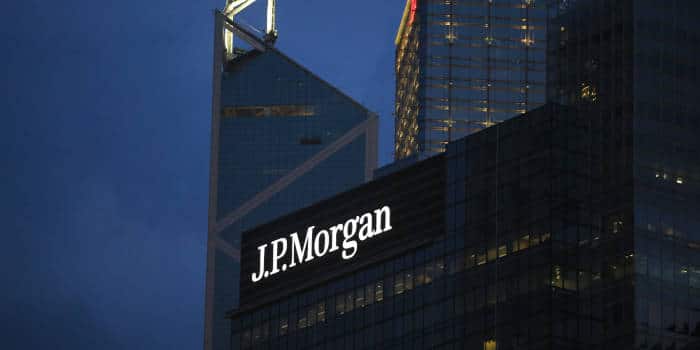
JPMorgan Chase terminated banking services for Polymarket, a federally licensed event exchange, in October 2025, according to reporting from the Financial Times. Sources attributed the decision to the investment bank's hesitation over mounting regulatory uncertainty surrounding prediction markets. Despite the service cutoff, JPMorgan Chase and Polymarket have maintained what both parties describe as an active relationship.
Polymarket's statement to Reuters emphasized the ongoing strength of the connection, noting that the exchange and JPMorgan "maintain a close, active relationship...across multiple entities, operational integrations, and material handling of customer fund flows." The company pointed to recent public appearances by its CEO at three JPMorgan flagship events as evidence of the partnership's vitality. The statement pushed back against characterizations suggesting the relationship had significantly deteriorated.
The banking separation appears strategically calculated rather than a complete rupture. JPMorgan Chase is reportedly positioning itself to underwrite Polymarket's anticipated initial public offering, a role that would place the bank at the center of the exchange's next growth phase. Polymarket has been exploring a new funding round that could value the company at approximately $20 billion, according to Bloomberg sources. The exchange's financial trajectory has accelerated notably: annualized revenue has tripled to $1.2 billion, suggesting the platform's user base and trading volumes continue expanding despite regulatory headwinds.
The debanking episode reflects broader tensions within the prediction market sector. Regulatory agencies including the CFTC have intensified scrutiny of prediction market operators, with enforcement actions and guidance documents raising compliance questions across the industry. Polymarket and rival Kalshi have simultaneously been flagging suspicious activity, having identified more than 140 potential insider trading cases since the beginning of 2026. This compliance posture suggests that prediction markets are working to build credible regulatory records even as their legal status remains contested in various jurisdictions.
For context, prediction markets occupy an uncertain regulatory position in the United States. While Polymarket operates under a CFTC license as a federally licensed exchange, local and state authorities have launched separate challenges to the platform's operations. Baltimore filed a lawsuit against both Kalshi and Polymarket alleging violations of consumer protection laws, exemplifying the fragmented regulatory landscape these platforms navigate.
From a market structure perspective, the debanking-while-courting-IPO dynamic reflects how traditional finance institutions view prediction markets: high-growth opportunities with material regulatory risk that require careful navigation. The fact that JPMorgan Chase maintained contact despite ending banking services suggests confidence that regulatory clarity will eventually arrive, making an IPO underwriting role valuable positioning. Whether that confidence is warranted remains an open question, particularly given ongoing CFTC enforcement activity and state-level resistance. The coming months will test whether Polymarket can secure alternative banking relationships and advance toward public markets while the regulatory environment continues crystallizing.
Source
GamblingNewsRelated stories

More on CasinoAdvisor