

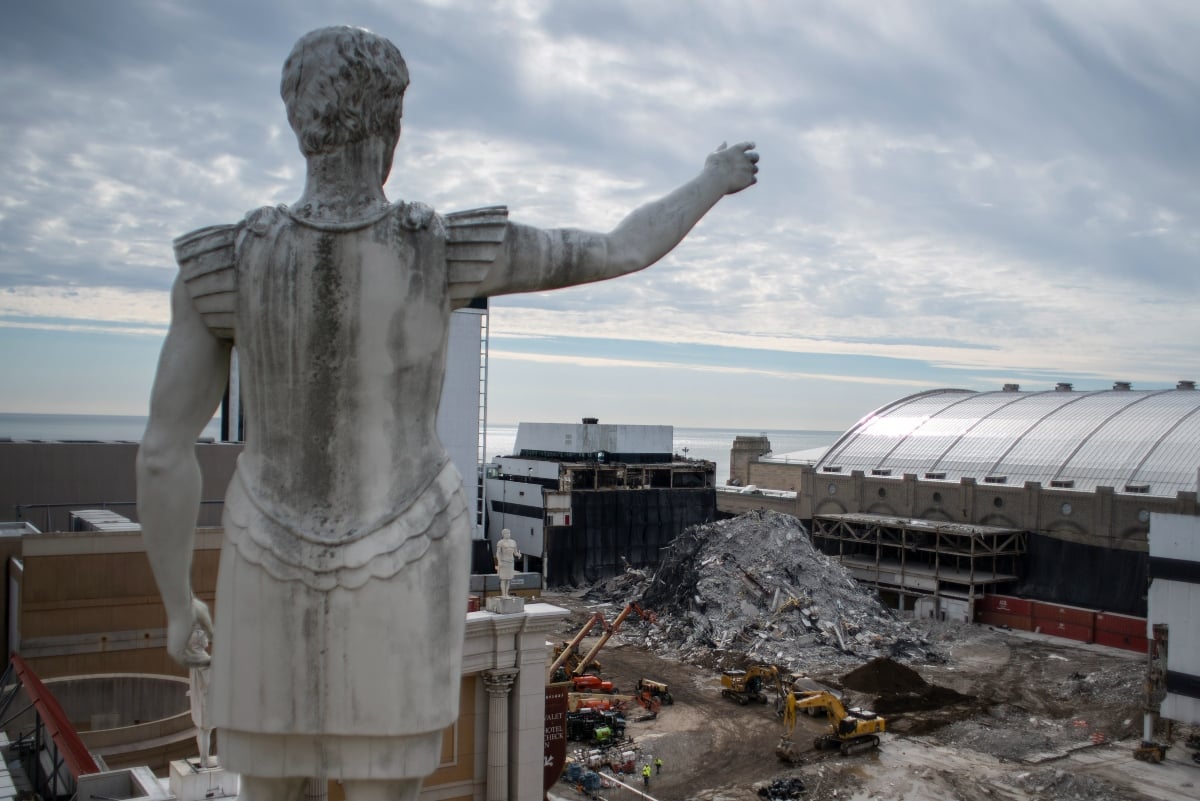
George Norcross' September acquisition of Atlantic City's defunct Trump Plaza property for $5 million signals a potential shift in how regional markets approach casino-dependent economies. The South Jersey investor and his co-investors purchased the 10-acre site, which includes a vacant 361-room hotel and a 2,658-space parking garage, from billionaire Carl Icahn. Critically, Norcross has stated that gambling will not return to the Boardwalk property - a rare position for a major real estate player in a market historically built on casino revenue.
In recent comments to The Press of Atlantic City, Norcross articulated a vision that challenges the foundational business model of Atlantic City itself. He argued that the market has "missed its chance" to reinvent from a pure casino destination into a family-focused hub with year-round draws. "People can gamble wherever they want. They can do it online," Norcross said, acknowledging the structural headwinds facing brick-and-mortar gaming in an era of digital alternatives and geographic market saturation.
Norcross specifically cited Las Vegas' Sphere as a potential model, suggesting Atlantic City could attract a comparable immersive entertainment venue unrelated to wagering. Such a facility would serve regional populations from Philadelphia, North Jersey, and downstate New York, extending appeal beyond the traditional winter-to-spring casino cycle. The Maryland precedent is instructive: Prince George's County committed $215 million in public financing toward a $1.4 billion Sphere National Harbor project, with projections of $1.6 billion annual economic impact, $63 million in annual local tax revenue, and 3,350 jobs.
Norcross' vision aligns with existing market skepticism about Atlantic City's casino-only strategy. Showboat owner Bart Blatstein has similarly advocated for diversification, launching a $100 million Island Waterpark that underperformed. Blatstein's subsequent financial difficulties - including foreclosure and state tax lien reports in September - underscore the execution risk of non-gaming attractions in the market.
Atlantic County Executive Dennis Levinson expressed enthusiasm about Norcross' involvement, predicting the developer would ultimately build luxury condominiums at the Trump Plaza site. This speculation suggests market consensus around residential or hospitality uses rather than entertainment venues.
The broader context matters. Atlantic City's casino market has contracted from 13 properties at peak to fewer than nine active casinos. Online gaming cannibalization, combined with competition from regional properties in Pennsylvania, New York, and Maryland, has compressed margins and visitor volumes. Norcross' assertion that the market needs "three or four" casinos maximum reflects industry reality: Atlantic City cannot sustain its historical casino density in a mature, oversupplied Northeast gaming corridor.
Whether Norcross will pursue a Sphere-style project remains unclear. His track record as a dealmaker and political operative suggests serious intent, but the capital requirements and public funding dependency place such projects in limbo during uncertain economic conditions. For Atlantic City, the Trump Plaza site represents genuine optionality - a chance to demonstrate that casino markets can evolve beyond gaming when leadership, capital, and vision align. Success would reshape how regional gaming markets approach economic diversification.
Source
Casino.orgRelated stories
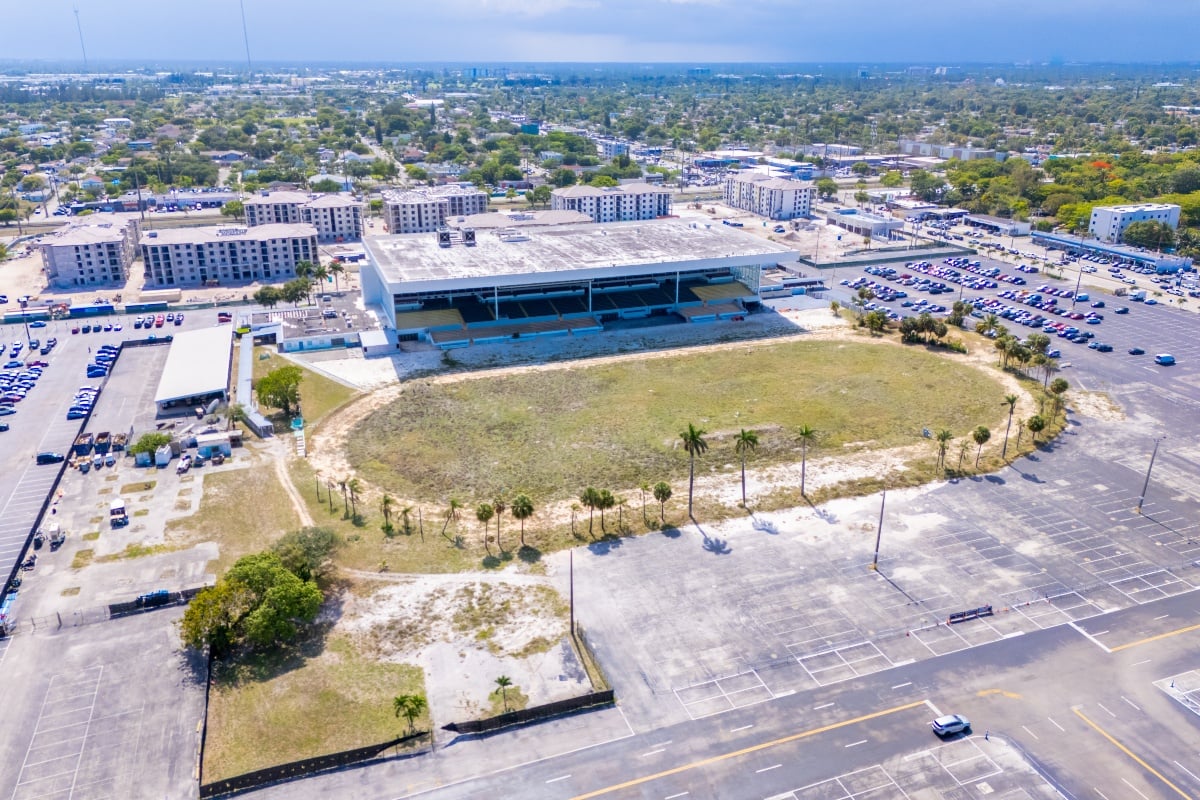
Fontainebleau Taps Margaritaville Brand to Revamp Florida Slots Venue
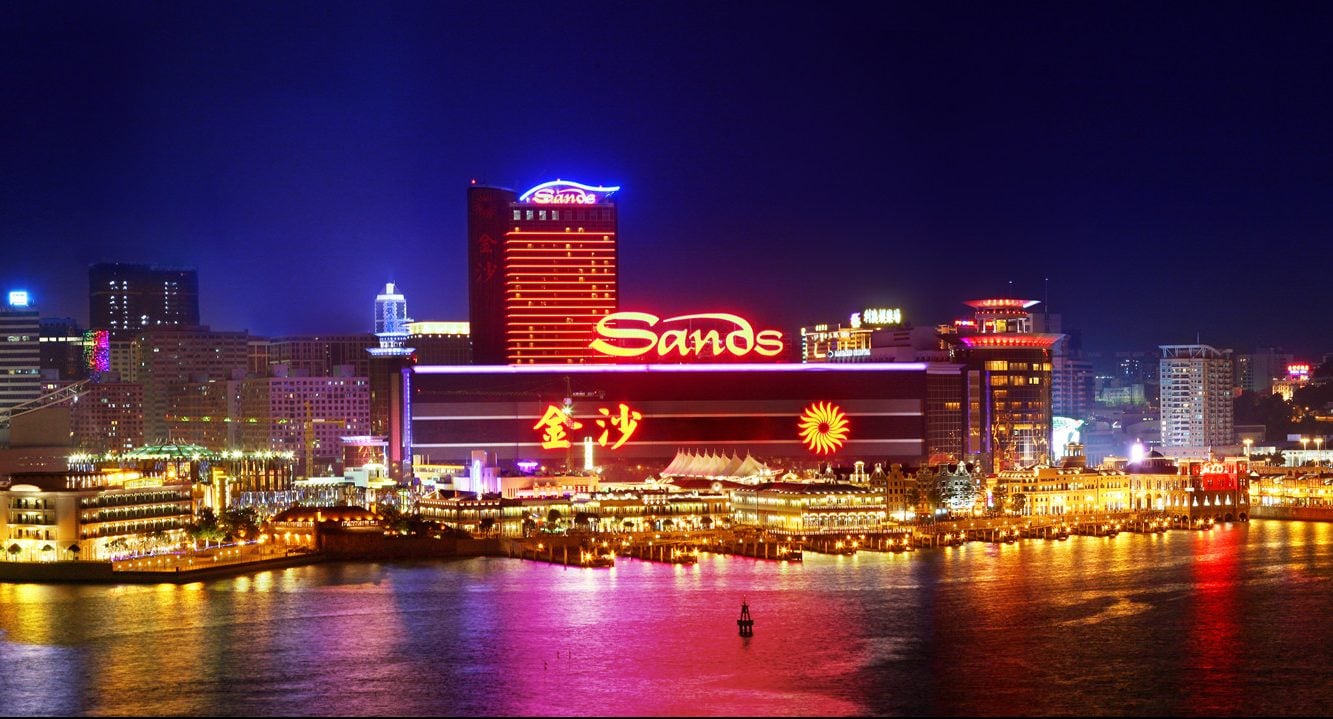
Las Vegas Sands Stock Seen as Undervalued Despite Macau Headwinds, Analyst Says
VICI Properties Positioned as Potential Buyer for Churchill Downs Regional Casino Divestiture

Better Collective Posts Record Q3 Revenue as Leadership Restructures Around Brazil Ban
More on CasinoAdvisor