

Based on reporting by Casino.org →
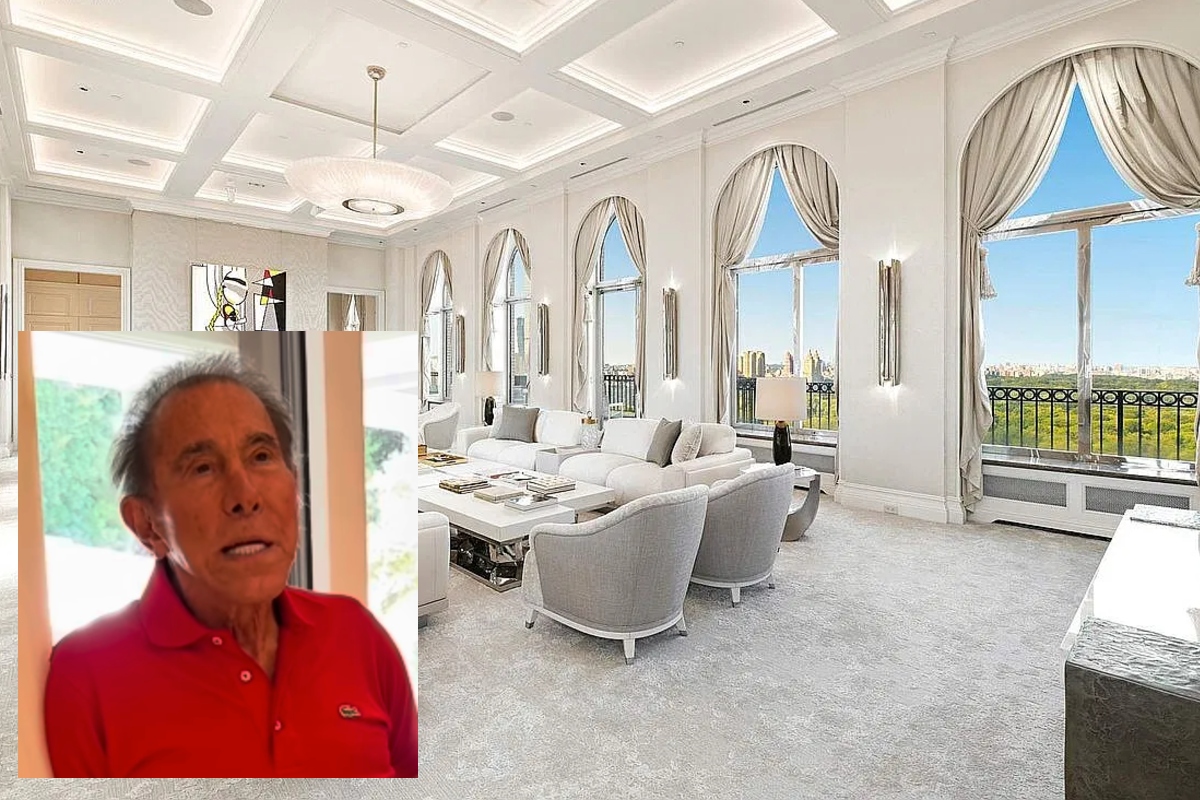
Steve Wynn, the legendary casino industry figure who stepped down from Wynn Resorts in 2018, has finally found a buyer for his trophy penthouse at 50 Central Park South, a development that underscores the growing financial pressure luxury property owners face from aggressive municipal taxation strategies.
The penthouse, located on the 30th and 31st floors of the Ritz-Carlton Residences, was originally purchased by Wynn in 2012 for $70 million. He subsequently listed it for $90 million before eventually reducing the asking price back to $70 million after years of struggling to find a buyer. While the exact sale price has not been disclosed, Wynn emerged as a motivated seller following the failure of his legal challenge to Mayor Zohran Mamdani's pied-à-terre tax, a luxury second-home surcharge designed to discourage wealthy absentee property owners.
The pied-à-terre tax adds 6.5% to the assessed value of properties that are not primary residences. For Wynn's penthouse, the New York City Department of Finance has assessed the property at $3.5 million, placing the annual pied-à-terre tax at approximately $227,500. When combined with the property's existing annual tax bill of $194,000 and the monthly homeowners association fee of $31,363 (which covers maintenance, concierge, 24/7 doormen, spa access, and security), the cumulative carrying costs represent a significant burden.
The situation highlights a peculiar tension in New York City's tax system. The underlying property assessment methodology stems from the 1981 New York State Real Property Tax Law, originally designed to shield middle-class homeowners from skyrocketing property taxes by keeping assessments artificially low relative to market value. However, this structure has inadvertently created a windfall for wealthy buyers, as the gap between assessed value and actual market value has widened dramatically as NYC real estate values have surged. Wynn's penthouse exemplifies this dynamic: assessed at $3.5 million yet worth tens of millions more.
Looking ahead, the pied-à-terre tax framework is poised to become more stringent. Beginning in 2028, the city plans to calculate the surcharge using current fair market value rather than the artificially depressed assessed value, potentially multiplying the tax burden on luxury second homes. This prospective change likely accelerated Wynn's decision to divest.
The sale also carries historical resonance within the casino industry itself. The building's namesake hotel, the Hotel St. Moritz, was formerly owned by Donald Trump, who purchased it in 1985 for $30 million and sold it in 1988 to Australian billionaire Alan Bond for $180 million. Trump, himself a former casino owner and longtime friend of Wynn's, represents another faction of the billionaire real estate class navigating similar tax and regulatory pressures across multiple jurisdictions.
Wynn's exit from New York real estate serves as a cautionary tale for ultra-high-net-worth individuals evaluating the true cost of maintaining trophy properties in municipalities increasingly willing to deploy targeted taxation against non-primary residences. For the casino industry specifically, the transaction underscores how policy shifts in major metropolitan areas can influence lifestyle decisions and wealth deployment patterns among gaming executives and board members.
Source
Casino.orgRelated stories
DraftKings Shares Plummet 26% After Q3 Miss, Predictions Investment Surge
Atlantic City Targets Real Estate Boom With Fifth Opportunity Zone Designation

Pennsylvania Lottery Issues Final Deadline Notices on Nearly $2M in Unclaimed Prizes
Mississippi Gambler Hits Two Six-Figure Jackpots in 48 Hours at Beau Rivage
More on CasinoAdvisor