

Based on reporting by Casino.org →
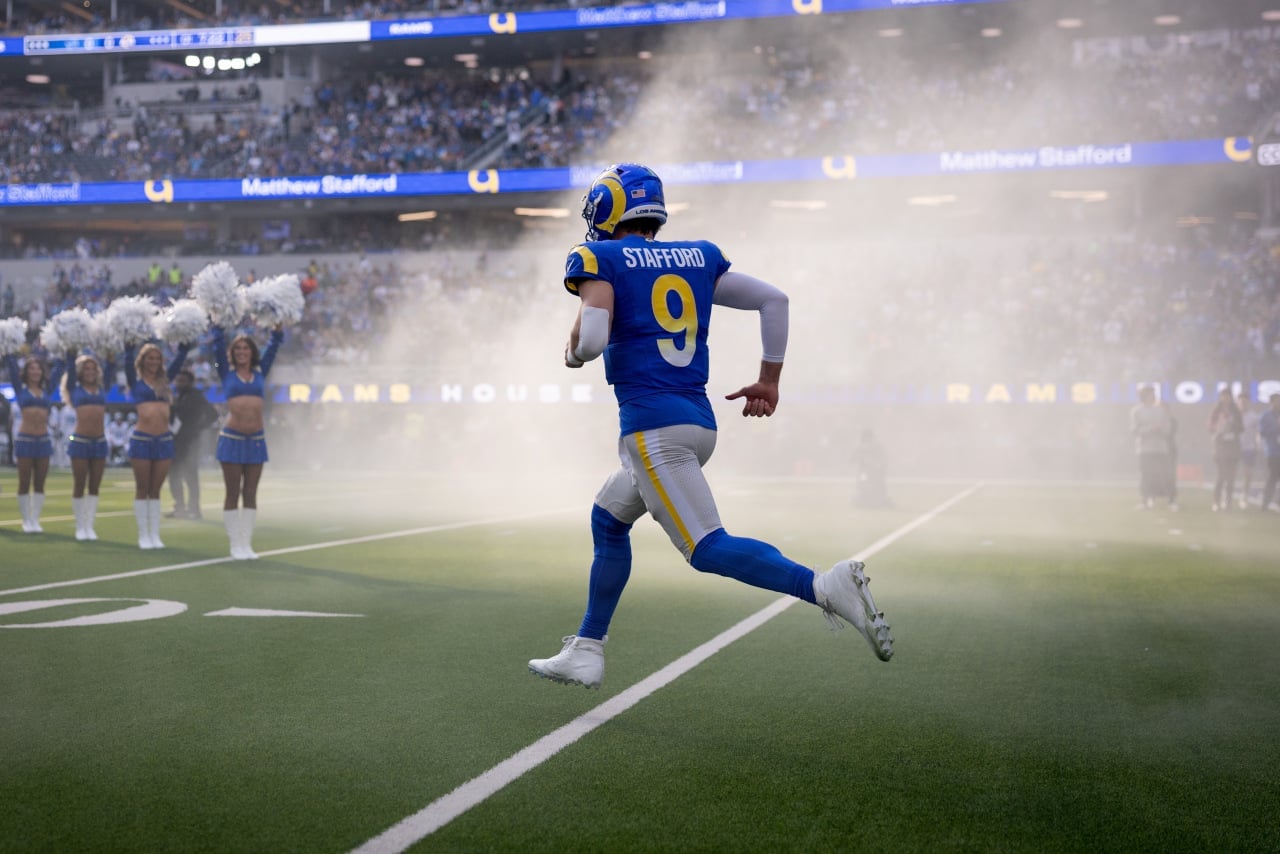
As the 2026 NFL season kicked off on September 9, the American Gaming Association released findings that paint a troubling picture for the regulated sports betting industry: growth has essentially stopped. The AGA projects Americans will legally wager $29.5 billion on NFL games this season, barely exceeding last year's $29.4 billion handle. This near-flat growth marks a significant departure from the expansion trajectory that has characterized legalized sports betting since the Supreme Court struck down the federal sports betting ban in 2018.
AGA President and CEO Bill Miller attributed the slowdown directly to the explosive growth of prediction markets. Platforms like Polymarket and Novig have rapidly expanded their sports offerings, and these alternative wagering venues now generate the majority of their revenue from sports event contracts. Unlike regulated sportsbooks operating under state licensing requirements, prediction markets occupy a regulatory gray area where operators argue their products are financial instruments rather than sports wagers subject to gambling laws.
The financial impact of this regulatory arbitrage is substantial. The AGA estimates prediction market platforms have "siphoned" more than $1.3 billion in potential state gaming tax revenue since 2025. This represents real money that would normally flow to state budgets and fund public services. Miller framed the issue as a consumer protection concern, stating that prediction markets misleadingly market sports wagers as investments rather than entertainment.
The competitive challenge extends beyond mere market share loss. Prediction market operators are investing heavily in user acquisition and product development, with Novig reporting daily average contract volumes of 23.3 million over its first three weeks of operation in August 2026. This places it ahead of established competitors like Rothera and Underdog, signaling that capital and customer attention are flowing to these newer platforms.
Regulated operators remain undeterred despite acknowledging the competitive threat. Caesars Digital's senior vice president of sports, Dominic Hammond, characterized prediction markets as formidable competitors while defending the company's strategy. He argued that Caesars' differentiation through Flex Parlays (which pay out even when one or more selections lose), loyalty rewards programs, and targeted promotions offer value propositions that unregulated platforms cannot replicate. Hammond's framing of prediction markets as sports betting products mirrors the AGA's regulatory position, though this classification remains contested in ongoing legal disputes.
The regulatory battle over prediction markets' legal status is escalating and likely headed to the U.S. Supreme Court. The outcome will determine whether these platforms must comply with state sports betting licensing requirements or remain classified as financial derivative exchanges beyond gambling regulation's scope. Until that fundamental question is resolved, prediction markets will continue operating in a regulatory void, capturing market share without the compliance costs and tax obligations that burden licensed sportsbooks.
For the regulated industry, the 2026 NFL season represents a watershed moment. If prediction market growth continues to outpace legitimate sportsbook expansion, the industry's post-2018 boom narrative may require revision. The question now is whether innovation in product offerings and customer experience can recapture growth momentum, or whether regulatory clarity will ultimately be necessary to level the competitive playing field.
Source
Casino.orgRelated stories

Las Vegas Expects 335,000 Visitors Over Labor Day Weekend Amid 90%+ Hotel Occupancy

Entain Demoted from FTSE 100 Despite Analyst Optimism on Digital Turnaround
Las Vegas Unemployment Edges Lower, But Gaming Sector Headwinds Persist
Pennsylvania Lottery's Win Win Win Game Creates Another Millionaire in Philadelphia
More on CasinoAdvisor