

Based on reporting by Casino.org →
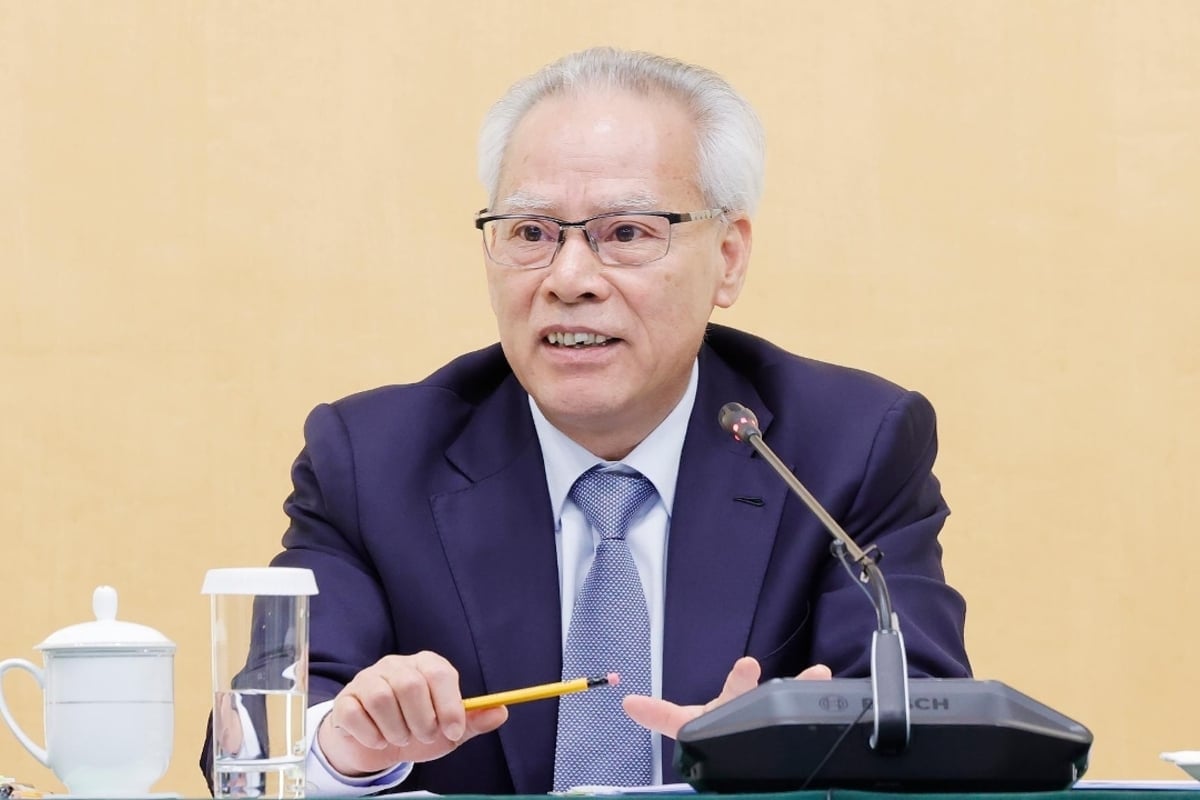
Macau Chief Executive Sam Hou Fai has announced an ambitious economic diversification initiative backed by a $16.1 billion "guidance fund" designed to reduce the special administrative region's heavy reliance on casino gambling. The plan, unveiled under the banner of "New Blueprint, New Journey, New Opportunities," represents a significant policy shift for a jurisdiction that has become the world's largest gambling market since Portugal returned the enclave to China in 1999.
The government's target is concrete: raise non-gaming sectors' contribution to gross domestic product to 60% by 2030, down from current levels where casinos dominate economic output. This goal aligns with Beijing's strategic concerns about the territory's financial concentration. Casino taxes currently represent more than 80 cents of every government tax dollar in Macau, a dependency that has raised alarms in the capital, particularly regarding the tens of billions of dollars in annual capital outflows that flow through the territory's gaming markets.
Macau's gambling scale underscores the urgency of diversification efforts. The region generated $30.9 billion in player losses during 2025, more than double the entire Las Vegas Strip market. This dominance reflects three decades of exponential growth following the 2002 end of Stanley Ho's gambling monopoly, but it has created structural economic vulnerabilities that Beijing views as national security risks.
The government's diversification push comes as it attempts to appease central authorities under the "One Country, Two Systems" framework. In 2022, Macau ordered its six casino operators to invest $16 billion in non-gaming amenities. The government is now matching that commitment dollar-for-dollar, signaling alignment between public and private sector priorities. This dual commitment suggests a coordinated strategy to reshape the economy's fundamental composition.
The $16.1 billion allocation targets specific high-value projects. Plans include completing the University of Macau's Hengqin campus by 2030, constructing a technology research industrial park, building the Macau National Museum of Culture, and developing new performing arts venues. The government will also upgrade airport infrastructure, invest in urban renewal, and support heritage conservation efforts, including revitalization of the Ruins of St. Paul's Church. A significant portion of the strategy centers on deepening integration with Hengqin, a special economic zone in neighboring Guangdong Province, suggesting cross-border economic cooperation as a growth vehicle.
The timing reflects mounting pressure from Beijing. In late 2021, Macau began cracking down on VIP junket operators, entities that had facilitated money laundering and capital outflows by helping mainland elites move funds through the tax haven. This enforcement action signaled Beijing's determination to curtail the territory's role in financial flows it deemed problematic.
Economic indicators suggest near-term resilience. The Center for Macau Studies and the University of Macau's Department of Economics forecast 6.3% GDP growth for 2026 and unemployment at just 1.8%, indicating that diversification efforts are occurring against a backdrop of relative economic strength rather than crisis management.
From a market structure perspective, this represents a significant long-term test of whether concentrated gaming economies can successfully rebalance without disrupting the revenue foundations that fund government operations. The outcome will have implications for other jurisdictions with similar dependencies, and for the six major operators whose capital allocation decisions will shape the region's future competitive position.
Source
Casino.orgRelated stories

Gen Z's Risky Bet: One in Four Treat Sports Wagering as Retirement Strategy
Illegal US Gambling Market Hits $97B Amid Regulatory Expansion
Powerball Jackpot Surges to $905M as 42nd Consecutive Rollover Occurs

Century Casinos Eyes Alberta Exit as North American Portfolio Gains Momentum
More on CasinoAdvisor