

Based on reporting by Casino.org →
The narrative that Las Vegas casinos failed in their 1990s attempt to attract families has become accepted wisdom in the gaming industry. However, historical data and visitor statistics tell a markedly different story, revealing that the era generated substantial revenue growth and laid groundwork for sustained family visitation that continues today.
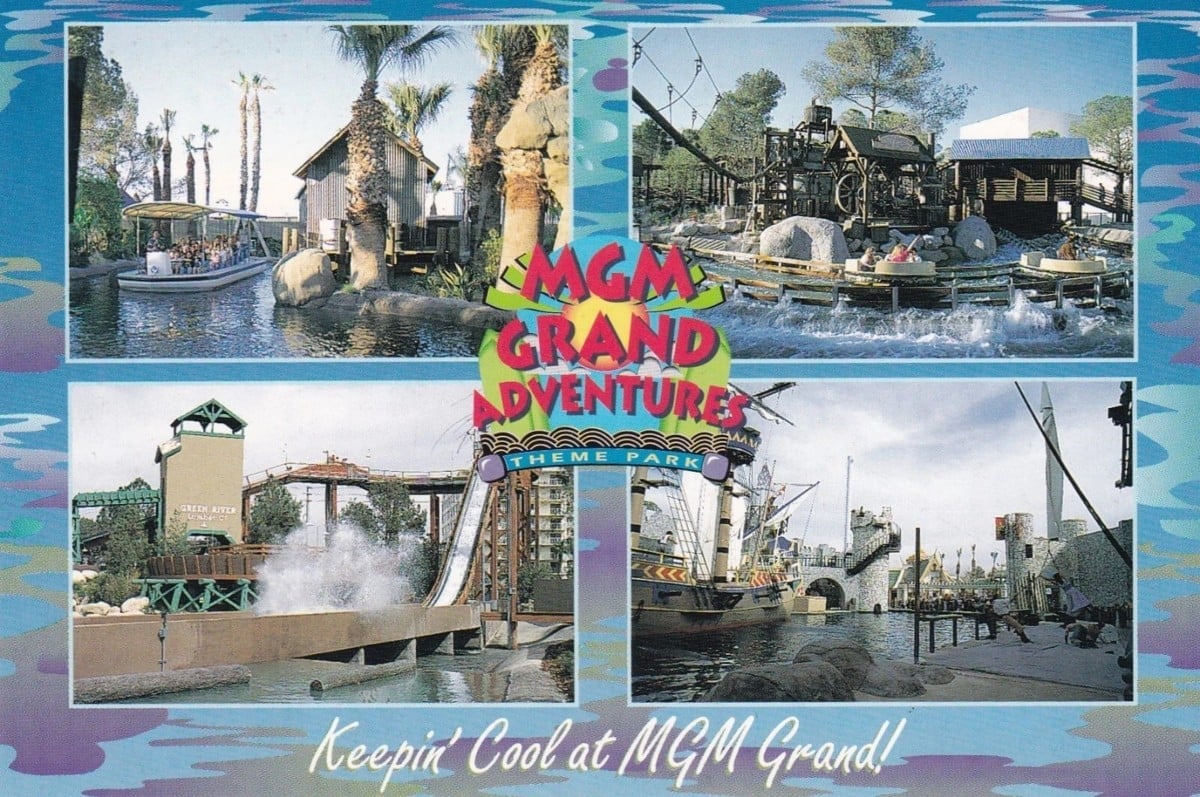
The family-friendly pivot began in earnest with the 1993 opening of MGM Grand, which included a 33-acre, $100 million theme park called MGM Grand Adventures featuring rides like roller coasters and log flumes. The park closed by 2000 due to disappointing attendance. A second notable closure was Caesars Magical Empire, a $125-200 per-person dinner theater experience that opened in 1996 and shut down in 2002. These two high-profile closures became the primary evidence cited to support the failure narrative.
However, the actual performance metrics contradicted this conclusion. Between 1993 and 1994, Las Vegas visitation jumped from 23.5 million to 27.2 million visitors, representing the largest single annual percentage increase in tourism history when excluding post-pandemic recovery periods. More critically, family visitation as a percentage of total tourists rose from 7% in 1992 to 12% by 1996. Today that figure stands at 21%, suggesting the strategic pivot not only succeeded but continues to deepen.
The key issue with MGM Grand Adventures was not the concept of family attractions on the Strip, but rather the specific execution. The attraction lacked climate-controlled housing, forcing families to queue for hours in 115-degree summer heat. By contrast, Circus Circus' Adventuredome, which opened three months earlier and featured an enclosed dome design, continues operating successfully to this day.
Numerous family-oriented attractions from that era remain operational, including New York-New York's roller coaster, the Big Shot and SkyJump rides atop the Stratosphere, Mandalay Bay's beach and wave pool, and magic shows by Mac King and Nathan Burton. The closure of the free pirate show at Treasure Island in 2003, often cited as the death knell for family Vegas, actually signaled a broader shift away from themed resorts toward luxury positioning rather than evidence of family market failure.
More recent additions underscore sustained commitment to family demographics. A 7,000-square-foot video arcade opened at Bally's/Horseshoe within the past year. The immersive Area 15 art experience, which opened in 2020 and includes the Virtualis VR game room, expanded further. The Las Vegas Convention and Visitor Authority's recent marketing campaigns, including their humorous broccoli-themed commercials, reflect market maturation rather than strategy abandonment. By making Vegas less appealing to families in messaging, casinos have actually signaled confidence in the demographic's deep market penetration.
From a market perspective, the family visitation growth from 7% to 21% represents substantial business diversification for an operator base historically dependent on gaming and adult entertainment revenue. This trend suggests that multi-property operators have successfully monetized the family segment without cannibalizing core adult gaming demographics.
Source
Casino.orgRelated stories

Ontario Sports Betting Revenue Falls 30% in August as Casino Segment Hits Record Market Share

Diller Abandons MGM Takeover Bid After Four Months, Stock Plunges 8%

Bills and Dolphins Shape Early NFL Betting Trends After Week 2 Volatility

Trump's July Stock Sales Include Gaming Holdings Amid Caesars Fertitta Buyout
More on CasinoAdvisor