

Based on reporting by Casino.org →
The government of Laos has cleared a significant legal hurdle in its yearslong effort to collect more than $5 million from American casino entrepreneurs John K. Baldwin and Shawn Scott, along with Baldwin's company Bridge Capital. A US Ninth Circuit appeals court ruled on September 17, 2026, that a lower court must hear arguments that Baldwin and Bridge Capital should be held personally responsible for arbitration awards originally made against the companies they allegedly controlled.
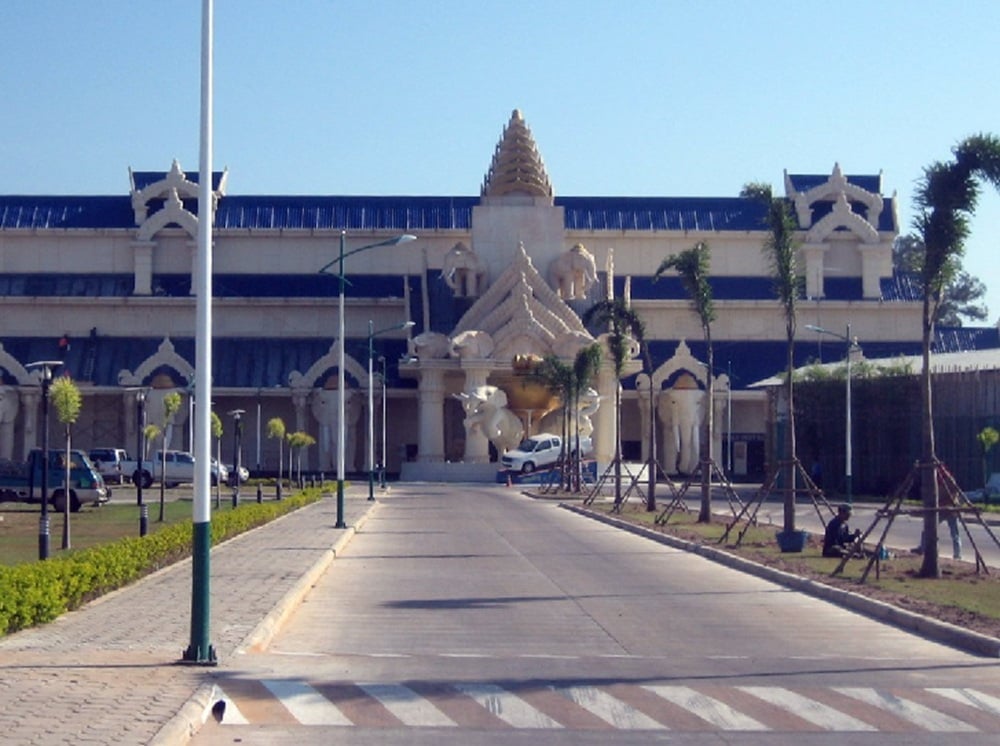
The dispute traces back to 2007, when Baldwin and Scott entered Laos with ambitious plans to build a casino empire. The pair, through their investment vehicle Sanum Investments, partnered with Laotian conglomerate ST Group to establish two casino resorts and several slot clubs. Their flagship property, Savan Vegas, strategically positioned near the Friendship Bridge linking Laos and Thailand across the Mekong River, became a commercial success. A second resort, Paksong Vegas, never materialized.
Within years, the partnership deteriorated. In 2012, Sanum and Lao Holdings (an Aruba-based holding company created for the investors' interests) accused the Laotian government of attempting to force them out of the country after Savan Vegas had begun generating significant returns. The companies took their claims to international arbitration, citing violations of investment treaties. A 2014 settlement attempt collapsed, and both sides renewed their contentions.
The arbitration outcomes proved costly for the American investors. Three separate tribunals ruled against the companies. In 2019, one tribunal found Lao Holdings had acted in bad faith and ordered it to pay Laos $1.95 million. Another awarded Laos $1.78 million against Sanum on similar grounds. A third arbitration produced an additional $1.3 million award, bringing the total Laos sought to more than $5 million.
Seven years after those awards, Laos has struggled to enforce collection. The government's new strategy targets Baldwin, Scott, and Bridge Capital directly, despite the fact that none were formally named as defendants in the original arbitrations. Laos argues the individuals were effectively indistinguishable from the entities ordered to pay and should therefore bear responsibility for the debt.
A federal judge previously rejected this approach, finding that Baldwin and Bridge Capital had not been parties to the arbitration proceedings. The Ninth Circuit's reversal, however, means the case will return to lower court for consideration of Laos' piercing arguments. The court did not rule on the merits but instead cleared the path for jurisdictional discovery and liability arguments.
Laos' attorney David Branson told Law360 the government has been attempting collection for over seven years and characterized the appeals decision as opening a 'path to recovery.' The ruling sends a complex international investment dispute, one rooted in accusations of state interference and corporate control structures, back into the US court system after more than a decade of contested proceedings.
This case reflects broader tensions between foreign governments and private investors in developing economies, where investment protections and arbitration mechanisms can produce lengthy, costly disputes with uncertain enforcement outcomes.
Source
Casino.orgRelated stories
Skillz Challenges Papaya Gaming's Chapter 15 Bankruptcy Filing as Bad Faith Forum Shopping
Hip-Hop Producer Mally Mall Returned to Federal Prison for Supervised Release Violations

AI-Generated Celebrity Gambling Ad Highlights Alberta's Battle Against Illegal iGaming Operators

South Korea Escalates Prediction Market Crackdown, Targets 26 Polymarket Traders
More on CasinoAdvisor