

Based on reporting by iGaming Business →
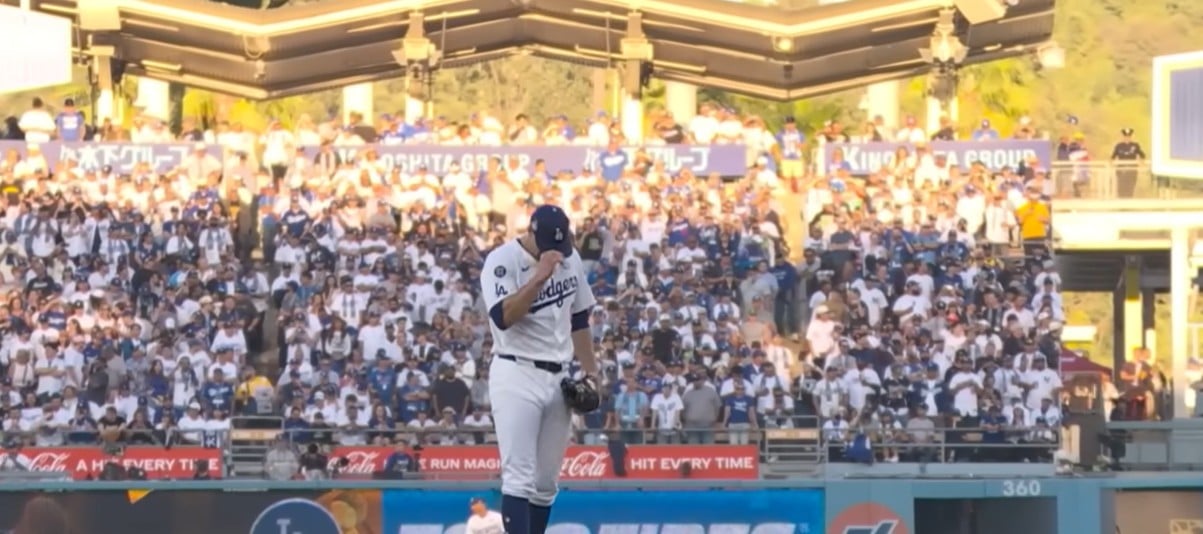
Prediction markets have moved decisively into mainstream sports partnerships, with Kalshi announcing exclusive, multi-year branding agreements with five Major League Baseball franchises on Tuesday. The deals include the Los Angeles Dodgers, two-time defending World Series champions, plus the Boston Red Sox, Atlanta Braves, San Diego Padres, and San Francisco Giants. This milestone brings the proportion of MLB clubs partnered with prediction market operators to nearly 25% of the 30-team league.
The partnerships arrive as baseball enters its final month of the regular season and represent a significant acceleration in prediction market legitimacy within professional sports. The deals follow earlier announcements in July 2026 when the New York Mets became the first MLB club to sign with Novig, shortly followed by the New York Yankees' partnership with Polymarket. With the Kalshi announcement, the prediction market sector has now secured backing from seven MLB franchises in rapid succession.
Geographic clustering reveals strategic positioning around favorable regulatory environments. Three of the five new partners - the Dodgers, Padres, and Giants - are located in California, the nation's most populous state. That positioning carries particular significance given that sports wagering remains illegal in California, making prediction markets a legal avenue for residents to engage in sports trading and forecasting. This dynamic underscores how prediction markets are filling regulatory gaps left by traditional sports betting frameworks.
A notable exception applies to the Boston Red Sox partnership: Kalshi does not currently offer sports event contracts in Massachusetts due to an ongoing lawsuit filed by the state attorney general. The operator's sports markets remain blocked pending a ruling from the Massachusetts Supreme Judicial Court, meaning Red Sox fans cannot access Kalshi sports trading despite their team's official partnership status.
The activations associated with these deals extend beyond traditional sponsorships. In-stadium signage, social media integration, radio placements, and fan activations will roll out beginning immediately, with the Dodgers' partnership featuring venue rebranding - the Golden Glove Bar beneath the left field pavilion will become the Kalshi 435 Club. Additional Kalshi-specific offers and exclusive activations will be available throughout the season in Centerfield Plaza at Dodger Stadium.
Operational metrics demonstrate substantial momentum. Kalshi reported that baseball-related trading volume over the last year increased approximately 36 times, signaling explosive growth in this market segment. Current World Series odds on Kalshi show the Dodgers commanding 34% probability of winning the 2026 championship, with the Yankees and Milwaukee Brewers positioned as distant competitors at approximately 10% each.
The broader context includes MLB's own positioning within the prediction market ecosystem. Polymarket holds an exclusive partnership with MLB as the league's official prediction market exchange partner, a deal announced following the league's Memorandum of Understanding with the US Commodity Futures Trading Commission establishing a framework for prediction market activity in professional baseball.
These developments reflect regulatory normalization around prediction markets at the professional sports level. The rapid succession of franchise partnerships, spanning from the Mets' initial deal through the Kalshi announcement within weeks, suggests that MLB clubs view prediction market operators as legitimate entertainment partners worthy of substantial branding commitments. As CasinoAdvisor has tracked, the prediction market operator landscape continues fragmenting across sports properties, with multiple operators rather than single-operator monopolies becoming the emerging standard.
Source
iGaming BusinessRelated stories
Las Vegas Developer Seeks Approval for 13.5-Acre Casino Resort South of Strip
BetMGM Alberta Launches Live Dealer Games Streamed from Las Vegas MGM Venues
Aristocrat Expands Buffalo Franchise With $1M Progressive Jackpot on King Max
Midnite Recruits FanDuel Canada Veteran Tang to Spearhead First International Expansion
More on CasinoAdvisor