

Based on reporting by Casino.org →
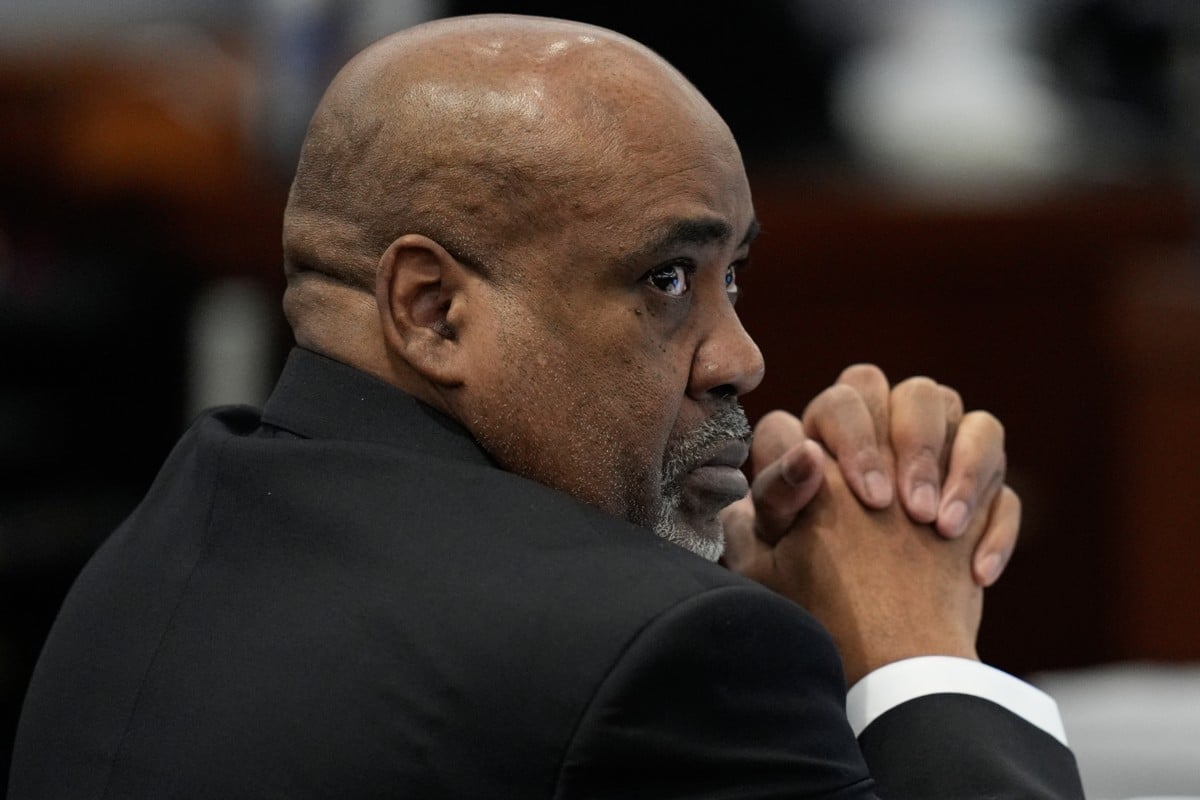
After less than three hours of deliberation, a Clark County District Court jury on Monday, August 31, 2026, found Duane 'Keffe D' Davis, 63, guilty of murder with a deadly weapon with the intent to promote, further or assist a criminal gang in connection with the fatal 1996 shooting of Tupac Shakur. Davis remains the only person ever charged in the incident, which occurred on September 7, 1996, at the intersection of Flamingo Road and Koval Lane, near the Las Vegas Strip. Shakur was struck multiple times when shots were fired from a white Cadillac at the BMW carrying him and Death Row Records co-founder Marion 'Suge' Knight. Shakur died six days later at University Medical Center. Knight sustained a grazing head wound.
The shooting stemmed from tensions rooted in gang rivalry and a confrontation earlier that evening. Hours before the shooting, after a Mike Tyson fight at the MGM Grand, Shakur and members of his entourage assaulted Orlando Anderson, the nephew of Davis and a member of the South Side Crips, in the casino lobby. Prosecutors argued this assault triggered a chain of events leading Davis and other gang members to locate and attack Shakur's vehicle. The case centered on gang affiliations: Davis was a leader within the South Side Crips, a Los Angeles-based gang, while Shakur and Knight were associated with the Mob Piru set of the Bloods.
The prosecution's case relied almost entirely on Davis's own statements rather than physical evidence. Over the years, Davis made various claims to police, journalists, and in his 2019 memoir 'Compton Street Legend,' describing his presence during the attack and claiming he supplied the gun used in the shooting. Prosecutors did not allege he pulled the trigger but argued his admissions amounted to a confession that he orchestrated the attack and armed the shooter. The defense challenged this interpretation, arguing Davis embellished his role to enhance his profile and generate income, and that his statements cannot substitute for concrete evidence.
Davis's defense team employed an unusual strategy, with attorney Michael Sanft openly challenging his client's credibility rather than attempting to bolster it. Sanft argued to jurors that 'there are no facts to point to Keffe,' insisting the absence of physical evidence created reasonable doubt. The jury heard nine days of testimony, with the state presenting approximately two dozen witnesses and the defense calling only three before resting in roughly 90 minutes.
Davis is scheduled to be sentenced on October 13, 2026. Prosecutors did not seek the death penalty, but a conviction carries the possibility of life in prison. The verdict represents a significant resolution to one of music history's most infamous unsolved crimes. However, the case's reliance on Davis's own conflicting accounts and minimal physical evidence underscores ongoing challenges in prosecuting decades-old crimes, particularly those rooted in gang violence. For Las Vegas, the conviction marks closure on a high-profile incident that occurred near major casino properties and reflected the broader security concerns surrounding the Strip during that era.
Source
Casino.orgRelated stories

UKGC Suspends BresBet and Bet St George Licenses Over AML and Social Responsibility Breaches

YouTube Gambling Influencer Sues Recovery Advocate Over Content Critique

Caesars Sportsbook Fined $251K in New Jersey for Self-Exclusion Violations

AGCO Fines NorthStar $100K for Failing to Apply Anti-Money Laundering Controls
More on CasinoAdvisor