


Mathew Bowyer, the 51-year-old illegal bookmaker whose operation became central to the Shohei Ohtani gambling scandal, has broken his silence following his federal prison sentence and significant financial losses. Speaking to media outlets in November 2026, Bowyer discussed his illegal gambling business, the cascade of regulatory consequences that followed, and his controversial position that he should not appear on Nevada's Black Book.
Bowyer pleaded guilty in August 2024 to operating an illegal gambling business, money laundering, and filing a false tax return. He completed a five-month federal prison sentence before his recent public statements. His betting operation gained widespread attention after investigators uncovered connections to Ippei Mizuhara, the former interpreter for Los Angeles Dodgers star Shohei Ohtani. Mizuhara was subsequently sentenced to four years and nine months in federal prison in February 2025 after admitting he stole approximately $17 million from Ohtani to cover his gambling debts.
The fallout extended significantly into Nevada's casino industry. Regulatory investigations linked to Bowyer's activities resulted in combined penalties totaling $34 million against four major operators: Resorts World (which received the largest fine of $10.5 million), MGM Resorts, Caesars Entertainment, and The Venetian. These enforcement actions underscored systemic compliance failures across major casino operators in detecting and preventing illicit gambling activity and money laundering.
Bowyer acknowledged regret over how his actions affected casino employees, particularly those who lost their jobs despite having no direct involvement in his operation. However, he argued that casino compliance departments should have faced greater consequences for their failure to detect his activities. This assertion reflects ongoing industry tensions between individual operators' accountability and broader compliance infrastructure responsibilities.
Financially, Bowyer disclosed that he lost more than $20 million in casinos during 2023 alone. He currently faces significant tax liability complications, including IRS liens affecting his remaining properties. Notably, Bowyer claims his legal team reported amounts owed by customers as taxable income even when those bettors never paid him, leaving him with substantial tax obligations on funds that never reached his accounts. This situation illustrates the complex intersection between illegal gambling operation accounting practices and federal tax law.
Bowyer rejected the notion that he should be added to Nevada's Black Book, the state's notorious exclusion list for individuals deemed unsuitable for casino entry. He argued that the list should be reserved for those involved in organized crime, murder, or serious misconduct directly targeting casinos. While acknowledging his illegal activities, Bowyer contended that his casino patronage generated business for employees and local establishments. He is currently producing a video series examining all 39 individuals on the Black Book, with plans to feature himself as the final subject.
Despite attending Gamblers Anonymous meetings and stating he would pursue legal business ventures if given another opportunity, Bowyer maintained his overarching position: he has no regrets about his past experiences. This stance reflects a disconnect between acknowledging consequences and expressing genuine remorse, raising questions about rehabilitation and deterrence in high-profile gambling enforcement cases. The Ohtani scandal remains one of the most significant recent examples of illegal gambling's intersection with professional sports and institutional compliance failures across the casino industry.
Source
GamblingNewsRelated stories
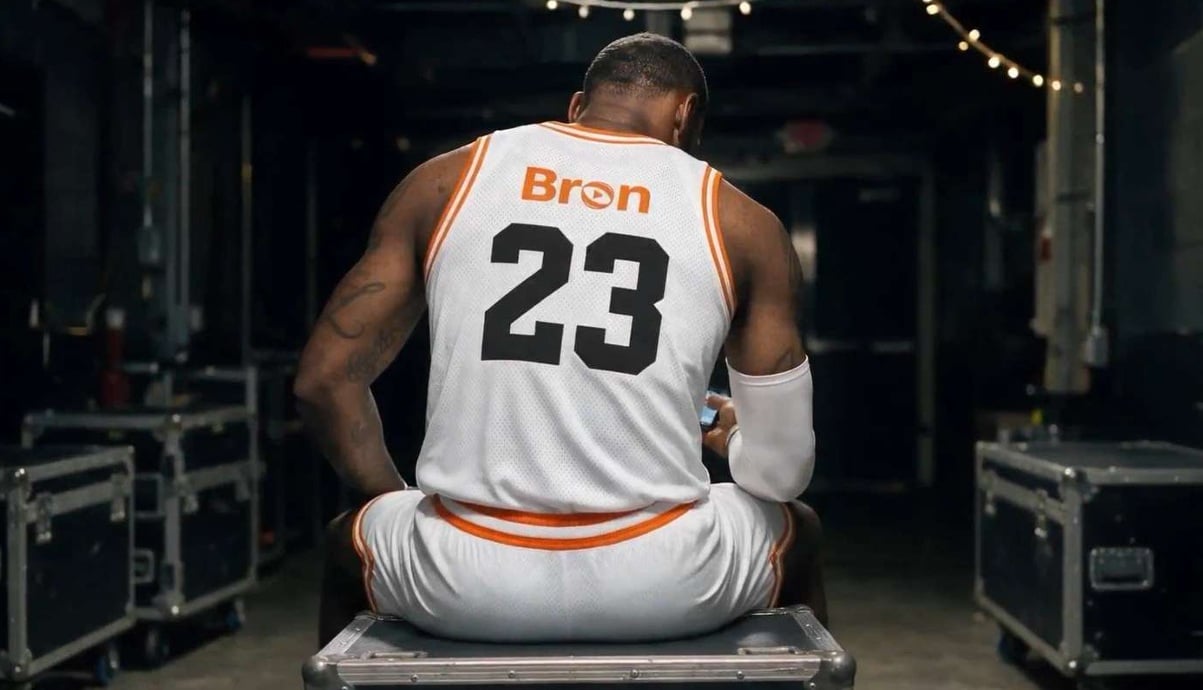
LeBron James Sues AI Betting App Over Unauthorized Digital Likeness in Sports Wagering Ad

Philadelphia Casino Faces Negligence Suit Over Alleged Parking Lot Armed Robbery

Federal Prosecutors Allege Second NBA Betting Scheme Linked to Rozier Case

Philadelphia Live! Casino Sued Over Security Lapses in Parking Lot Robbery
More on CasinoAdvisor