

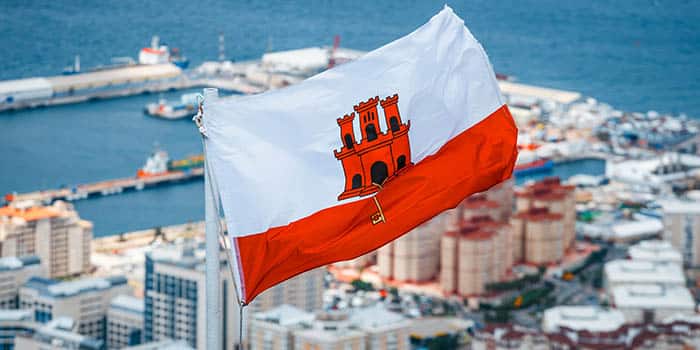
Based on reporting by GamblingNews →
Gibraltar's gambling regulator is pushing back against narratives of industry decline, even as major licensed operators slash payroll across the sector. In recent remarks, Gibraltar Gambling Commissioner Andrew Lyman acknowledged the wave of redundancies sweeping through high-profile gaming companies but framed them as necessary cost adjustments rather than signals of systemic trouble.
The timing is significant. Bet365 announced approximately 340 job cuts citing hard economic conditions, regulatory pressures, and elevated taxes in markets like the UK. The redundancies directly affect Gibraltar-based staff as the operator reorganizes. That decision is not isolated. Paddy Power has been pruning retail locations across Ireland, while Betfred, William Hill, and Lottoland have undertaken similar cost reduction exercises affecting their Gibraltar workforces.
Lyman has been sharply critical of what he characterizes as overly restrictive regulatory approaches in the UK market. His argument carries a cautionary undertone: strict regulations may inadvertently push consumers toward unregulated alternatives, while additional tax burdens force operators to cut operating costs, including headcount. This critique reflects broader tension between regulators seeking consumer protection and operators facing compressed margins.
Despite these headwinds, Lyman's public position remains bullish. He contends that Gibraltar remains a critical hub for both B2B and B2C gaming businesses and points to steady data from the Gibraltar Gambling Division as evidence of continued licensing interest and sector stability. His framing distinguishes between market disruption (which he acknowledges) and sector decline (which he rejects). In his assessment, the current period represents consolidation amid competitive pressure rather than structural deterioration.
The commissioner's confidence rests partly on Gibraltar's structural advantages. The jurisdiction has built a reputation for regulatory sophistication and licensing flexibility that attracts operators seeking robust compliance frameworks. Lyman's comments suggest that licensing applications continue flowing and that operators view Gibraltar as strategically essential, even while pruning operations elsewhere.
Lyman did concede that the layoff wave marks a low point for the market. But he framed this as a temporary condition preceding recovery rather than evidence of permanent contraction. His assertion that "those who write off Gibraltar as a tier 1 gambling hub are wrong" reflects both optimism and defensiveness, acknowledging that skeptics exist.
The gambling sector's historical resilience supports some of his optimism. Gaming markets have demonstrated capacity to absorb economic pressures and regulatory shifts without fundamental collapse. However, the concentration of layoffs among dominant operators also suggests margin compression that may not reverse quickly. When Bet365, Paddy Power, and similar market leaders reduce headcount simultaneously, it signals not temporary adjustment but reassessment of sustainable operating scale.
From a CasinoAdvisor perspective, the situation merits nuanced tracking. Gibraltar maintains its position as a leading licensing jurisdiction by operator count and regulatory innovation, but the scale and simultaneity of recent cuts warrant monitoring. Whether Lyman's confidence reflects genuine market fundamentals or regulatory optimism bias will become clearer in coming quarters. The sector's actual recovery will hinge less on regulatory assertions and more on whether operator margins stabilize and licensing demand truly remains robust.
Source
GamblingNewsRelated stories
Prediction Markets' Growth Unlikely to Push Texas Toward Sports Betting Legalization

Montana Lottery Director Withholds Emails in Intralot Contract Review

Bulgaria Pursues Sweeping Gambling Crackdown Including Ad Ban and Tax Hikes
CFTC Warns Prediction Markets on Manipulation Risks of 'Mention Markets'
More on CasinoAdvisor