

Based on reporting by Casino.org →
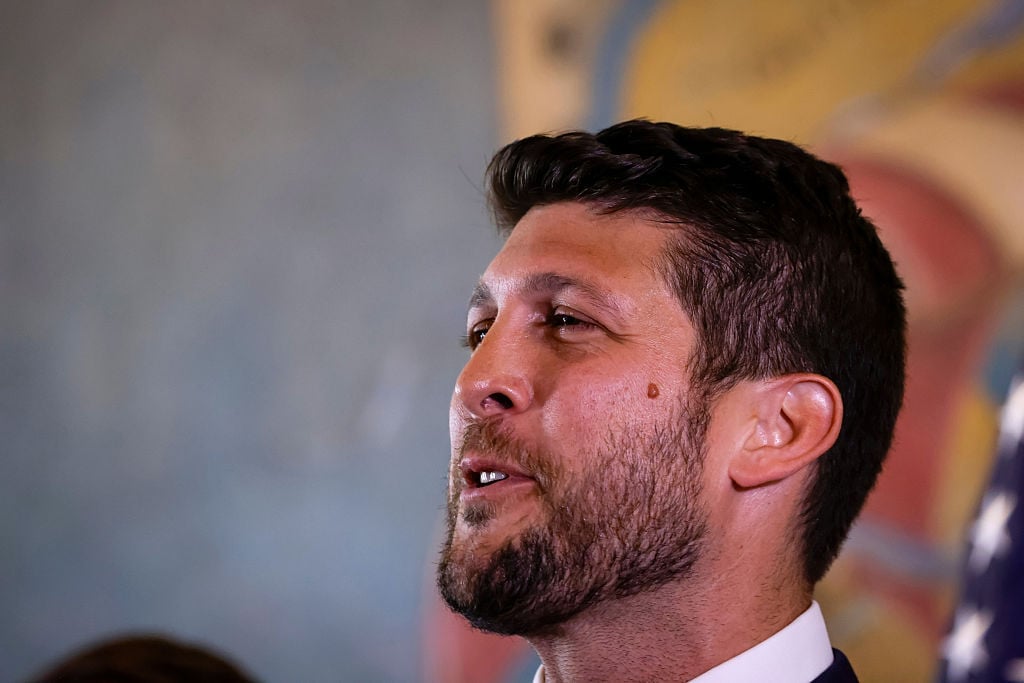
Florida Attorney General James Uthmeier launched a direct legal and rhetorical assault on the sweepstakes casino industry on August 19, 2026, filing two separate lawsuits against major operators VGW and Stake alongside payment processors Breeze Labs, Praxis, Trustly, and Worldpay. The complaints seek to shut down operations in Florida, recover allegedly ill-gotten gambling proceeds, and secure consumer restitution and civil penalties.
Uthmeier's filing stands out for its unusually blunt language, dispensing with conventional legal terminology to directly attack the sweepstakes casino model. He characterizes the industry's marketing as deceptive, claiming companies present themselves as 'free,' '100% safe,' and '100% legal' while engaging in 'business practices that skirt, evade, or ignore the laws of Florida.' For Stake specifically, Uthmeier alleges the company uses 'the idea of safe social gaming and celebrity endorsements to bring consumers into their storefront, only to then push them out the backdoor, into the dark alley where their illegal, unlicensed real money gambling operations occur.' The lawsuit names Stake co-founders Ed Craven and Bijan Tehrani individually, alleging personal participation in the company's marketing and expansion strategy.
The core dispute centers on the dual-currency system that operators argue keeps them legally compliant. Players purchase virtual Gold Coins with no cash value and receive free Sweeps Coins as a promotional bonus, which can be redeemed for cash prizes. Operators contend this structure qualifies as a promotional sweepstakes rather than gambling. Uthmeier rejects this reasoning as legal fiction, asserting that consumers are effectively 'buying casino chips by another name' and that 'if it looks, swims, and quacks like a duck, it's a duck.'
Crucially, Uthmeier argues that new legislation is unnecessary because Florida's existing gambling statutes already prohibit the sweepstakes casino model. This position contrasts with recent legislative efforts in the state; House Bill 591, introduced by Rep. Berny Jacques earlier in 2026, would have strengthened Florida's internet gambling prohibitions but died in committee when the legislative session ended in March.
Florida's enforcement action follows broader national momentum against sweepstakes casinos. Since 2025, at least 10 states including California, Connecticut, Indiana, Louisiana, Maine, Montana, Nevada, New Jersey, New York, and Tennessee have enacted specific laws targeting the model. Additional states like Michigan and Washington have invoked existing gambling laws to force operators out of their markets. This coordinated multi-state crackdown reflects growing consensus that sweepstakes casinos, despite operator claims of legal compliance, operate in regulatory gray zones that most jurisdictions increasingly view as indefensible.
Uthmeier emphasizes consumer protection concerns, arguing that these operations 'threaten vulnerable Floridians, including children and seniors, and cause Floridians to lose substantial amounts of real money.' The sweepstakes casino sector has expanded rapidly in recent years, leveraging the dual-currency argument and celebrity endorsements to reach mass audiences. Florida's aggressive enforcement posture signals the state will not wait for legislative action and instead will use existing legal frameworks to combat the industry.
Source
Casino.orgRelated stories
New Jersey Man Sentenced for $47M Ponzi Scheme Targeting Orthodox Jewish Community

Brazil Suspends Pixbet Operations Over Money Laundering Risks and Regulatory Failures
Baltimore Sues Prediction Market Operators Over Unlicensed Sports Betting Claims

UK Police Dismantle Illegal Gambling Operations in South Yorkshire Raids
More on CasinoAdvisor