

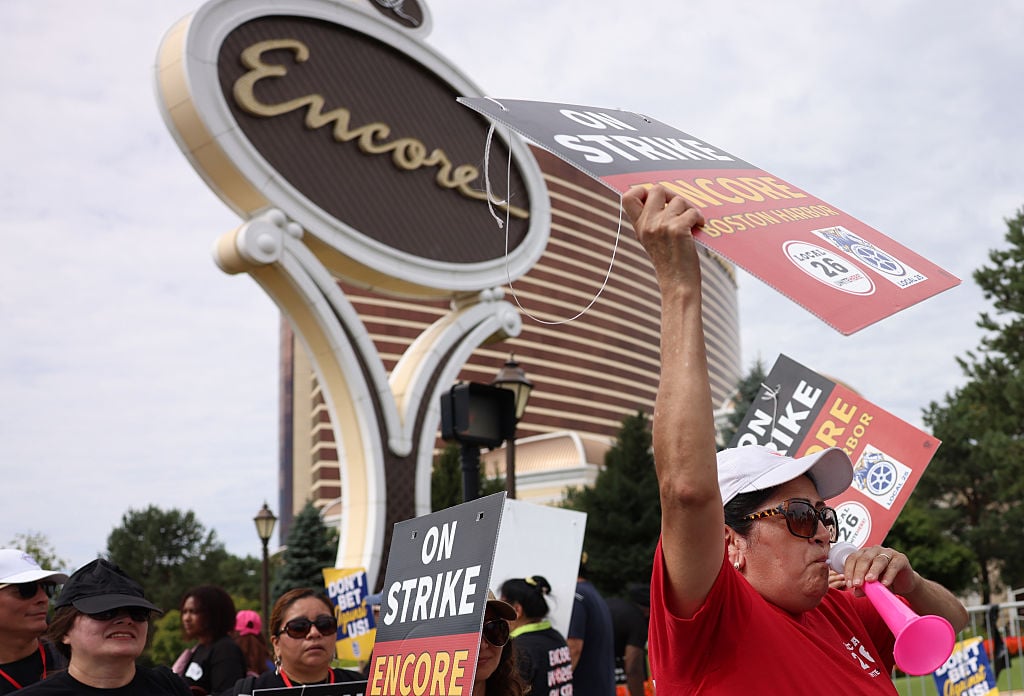
Encore Boston Harbor's financial performance deteriorated sharply in the final weeks of a 63-day labor strike that ended November 5, 2026, illustrating the dual revenue exposure casinos face when strikes disrupt both gaming floor activity and broader property operations.
The property reported October gross gaming revenue (GGR) of $50.8 million, representing an 11.8% decline compared to October 2025 - a loss of $6.8 million in a single month. While October performance was marginally better than September, when GGR plummeted 22% year-over-year to mark the casino's lowest monthly tally since COVID-19 restrictions, the cumulative impact over the strike period was severe. Combined September-October GGR fell 17%, costing Wynn $19.8 million versus the same two-month period in 2025.
The strike began September 4 when UNITE HERE Local 26 and Teamsters Local 25 representing approximately 1,300 employees walked out over compensation demands. The unions sought $10-per-hour pay increases over four years, a $25 hourly minimum starting rate, and enhanced health care and pension guarantees. Wynn countered that unionized workers already earned approximately $96,000 in combined compensation and benefits annually. Union leadership framed the dispute as securing the "Boston standard" to match compensation levels for similar roles across the city.
The strike's impact extended well beyond gaming revenue. Patrons deliberately avoided crossing picket lines amid reports of overnight picketing disrupting guest sleep. Several surrounding municipalities passed resolutions pledging not to patronize the resort during the labor action. The property likely hemorrhaged millions in non-gaming revenue across hotel stays, food and beverage, entertainment, spa services, and retail operations as guests either stayed away or shortened visits.
The financial strain reflects Encore Boston Harbor's broader performance trajectory. Through the first nine months of 2026, adjusted property EBITDA reached $156.7 million, down 13% from 2025. Revenue across casino operations, food and beverage, entertainment, retail, and other categories declined year-over-year, with room sales rising just 0.2%. This weakness preceded the September strike, suggesting the property faced headwinds independent of labor disruption.
The strike settlement terms remain undisclosed, leaving market participants uncertain whether Wynn conceded materially to union demands or achieved a compromise position. The lack of transparency around wage and benefits provisions complicates investor and analyst assessment of future labor cost trajectories at the property.
Encore Boston Harbor's experience underscores a critical vulnerability in the casino operating model: labor disputes can simultaneously suppress gaming demand and inflate operating costs through staffing absences and lost ancillary revenue. With unionized labor representing a significant cost base at major U.S. properties, labor relations risk deserves closer attention from stakeholders evaluating regional casino operator valuations and competitive positioning.
Source
Casino.orgRelated stories
Unclaimed $847M New Jersey Powerball Jackpot Highlights Lottery Claims Process

Sky River Casino Reports Four Major Jackpot Winners Totaling $540,000

Arizona sports betting handle slips 1.7% in September as mobile dominates market

New Jersey Gaming Revenue Grows 6.3% in October Despite Sports Betting Decline
More on CasinoAdvisor