


Based on reporting by iGaming Business →
DraftKings is charting an aggressive course into prediction markets, a move that signals a broader strategic shift within the US sports wagering industry as traditional sportsbooks face margin pressures and competition intensifies.
In its second-quarter earnings, DraftKings reported revenue of $1.44 billion, down $69.3 million year-over-year, a decline the company attributed to customer-friendly sports results and elevated promotional spending. The miss extended to earnings-per-share performance: DraftKings posted adjusted diluted EPS of $0.09, falling short of analyst consensus expectations of $0.22. Yet the market response was decidedly positive. DraftKings closed Friday at $24.03, up 8 percent on the day, a reaction that underscores investor appetite for the company's prediction market narrative.
During concurrent commentary on CNBC's Squawk Box, CEO Jason Robins launched a public relations offensive against Kalshi and Polymarket, both of which have achieved valuations exceeding $20 billion. Robins disputed claims that prediction market operators lack incentive to see customers win, arguing that retail participants often serve as counterparties to institutional market makers armed with quantitative analysis tools. Kalshi, the presumed market leader, has recorded $39.7 billion in annualized trading volume through 2026.
DraftKings rolled out DKeX, its proprietary prediction market exchange, several weeks prior to the earnings call. The company consolidated predictions, online sportsbook, and retail sportsbook revenue into a single segment for reporting purposes, obscuring the exact contribution of its nascent predictions business. However, approximately 600,000 customers have engaged with DraftKings' predictions platform since the start of the year. The company logged 3.6 million average monthly unique players in Q2, a 9.1 percent increase from the prior-year quarter, though much of this growth stemmed from the 2026 FIFA World Cup.
DraftKings maintained its full-year adjusted EBITDA guidance at $1 billion, demonstrating stability in its core business despite headline revenue declines. CFO Alan Ellingson emphasized the company's commitment to cost discipline while pursuing high-return opportunities.
The broader competitive landscape underscores why DraftKings is emphasizing predictions. Flutter Entertainment's FanDuel generated just $6 million from predictions in Q2 and has not committed to launching its own market-making exchange, according to analyst estimates, placing it nine to twelve months behind DraftKings. Flutter's stock fell approximately 9 percent following CEO Peter Jackson's departure announcement, signaling investor concern over the company's strategic direction.
Analyst sentiment reflects this divergence. Citizens Securities rated DraftKings as market outperform with a $36 price target, premised on 15.5x forward EBITDA multiples. Truist Securities maintained a buy rating with a $29 target. Both DraftKings and Flutter have declined more than 20 percent year-to-date amid intensified product competition.
Robins has signaled the company intends to launch new prediction offerings alongside a "super app" refresh prior to the NFL season, positioning predictions as a near-term customer acquisition driver. Whether this bet on nascent markets will offset near-term margin pressure remains the critical question facing the company and its investors.
Source
iGaming BusinessRelated stories

Pragmatic Play Launches Color Game Bonanza with 3000x Prize Potential

LeoVegas Expands Proprietary Tiger Sportsbook to UK Market Across Three Brands

Konami Gaming Unveils 50+ New Game Themes and SYNKROS Expansion for G2E 2026
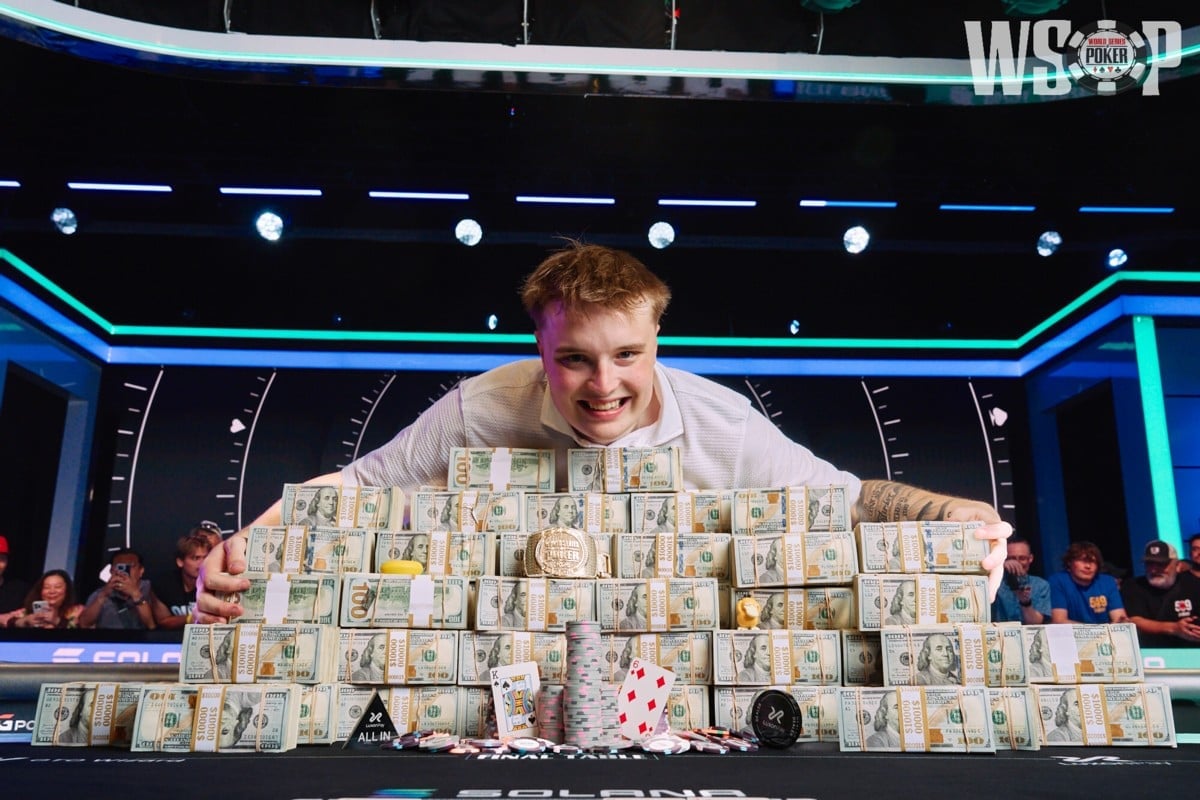
22-Year-Old College Graduate Lucas Jumalon Wins 2026 WSOP Main Event
More on CasinoAdvisor